News - Mexico's Day of the Dead: Tradition Meets Tourism
Business Strategy
Mexico's Day of the Dead: Tradition Meets Tourism
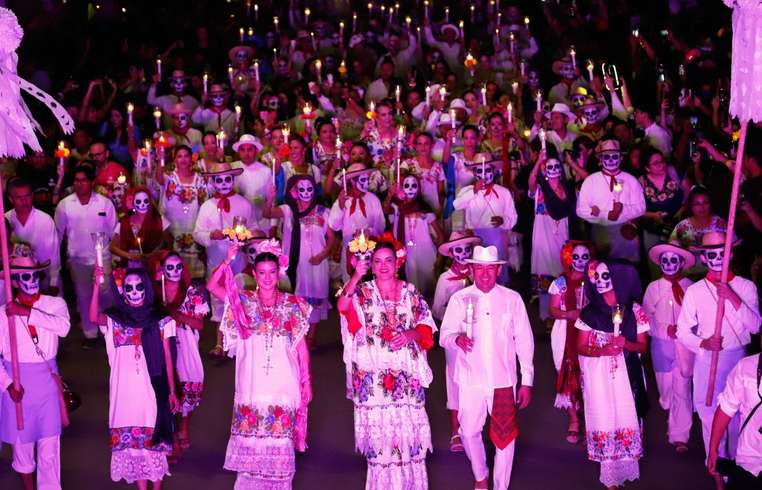
MEXICO CITY -- Amid a sea of vivid orange marigolds and candle-lit catrinas, Mexico embraces its annual Day of the Dead celebrations with unparalleled color and spirit. This cultural festivity, deeply rooted in Mexico’s pre-Hispanic heritage and enriched by Catholic influences post Spanish conquest, invites spirits of the deceased to earth once more, unfolding across November 1 and 2. The traditions, whose origins remain elusive, fill Mexico's avenues with massive parades, where cempasuchil flowers cloak every corner, guiding the departed souls homeward. Bakeries brim with the traditional 'pan de muerto', and homes glow with heartfelt altars, adorned with food, treats, and mezcal as offerings to the loved ones remembered. As night falls on November 1, families flock to cemeteries, honoring their ancestors by rekindling the ancient bond with rituals and remembrances. Yet, alongside its unique cultural tableau, the festival grapples with the impacts of global attention and tourism. Regions such as Oaxaca and Michoacan have become magnets for tourists worldwide, leading to social strains and concerns of overtourism. Janitzio, a picturesque island within Michoacan, faced unprecedented challenges this year as authorities opted to close its famed pantheon to tourists due to structural damage caused by rising visitor numbers. In Mexico City, skepticism surrounds a now-annual parade that draws its origin from cinematic glitz rather than tradition, stemming from the 2015 James Bond film 'Spectre.' This recent addition to festivities, characterized by elaborate floats and catrinas, stands at odds with some locals' desire to preserve their authentic observances. While the Day of the Dead continues to captivate and enchant, it also invites contemplation about balancing cultural preservation with worldwide fascination.
About usyoo

Categories
Tags