News - Iran's Revolutionary Guard Intercepts Two Tankers in Hormuz
Business Strategy
Iran's Revolutionary Guard Intercepts Two Tankers in Hormuz
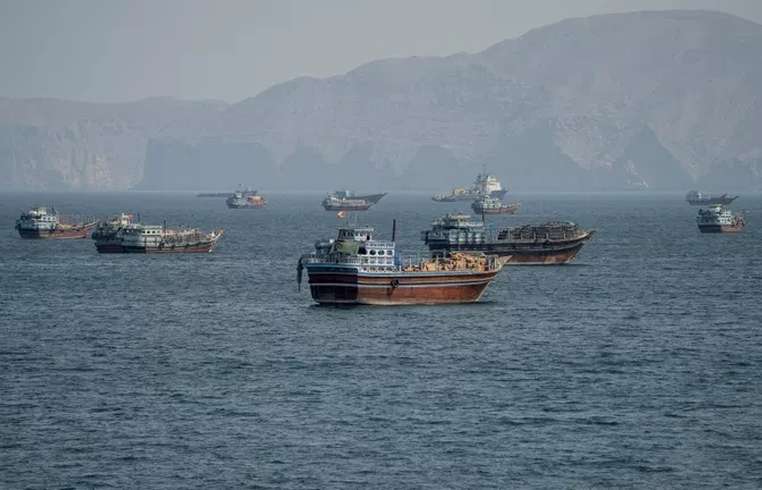
In a dramatic turn of events in the Strait of Hormuz, the Iranian Revolutionary Guard Corps (IRGC) intercepted and seized two oil tankers attempting to navigate what the Iranian authorities described as unauthorized routes. The incident unfolded in the strategic and often tense waters of the Hormuz Strait, a critical chokepoint through which a substantial portion of global oil shipments pass. The IRGC reported that the tankers had turned off their navigation systems in what was deemed a breach of international maritime protocols. Despite repeated warnings from Iranian forces, the vessels continued their course until they were intercepted and boarded by the Guards. Iranian officials have claimed that the tankers' actions could be linked to hostile maneuvers allegedly orchestrated by US naval forces operating in the vicinity. This incident underscores the ongoing geopolitical tensions that characterize the region. The Strait, situated between the Persian Gulf and the Gulf of Oman, is not only a vital oil-shipping route but also a flashpoint for international military and diplomatic disputes. The IRGC's actions have drawn significant international attention, with nations and organizations keen to understand the implications for global oil markets and maritime security. In the aftermath of the intercept, the tankers have been anchored near the southern Iranian coast. This has sparked diplomatic communications between Tehran and the respective countries associated with the tankers. The IRGC continues to maintain a heavy presence in the Strait, asserting Iran's right to monitor and control traffic within its territorial waters amidst rising regional tensions. This development also raises concerns about the broader implications for international maritime law and the potential for further escalation. The international community remains on alert, as further provocations could disrupt shipping and amplify existing tensions in the region. The tankers, while currently detained, serve as a potent symbol of the fragile balance of power in one of the world's most significant maritime corridors.
About usyoo

Categories
Tags