News - Music Industry Clash: Jack Antonoff Challenges Ed Sheeran's Decisions
Business Strategy
Music Industry Clash: Jack Antonoff Challenges Ed Sheeran's Decisions
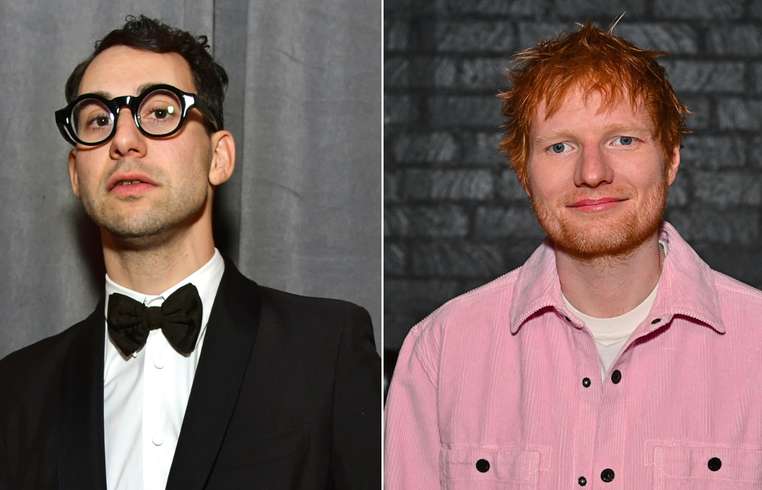
A notable debate has arisen in the music world as producer Jack Antonoff criticizes Ed Sheeran for dropping rapper Macklemore from his tour. The dispute stemmed from Macklemore's public support for the Palestinian cause, leading to his removal following comments made during the Loop Tour. Amid backlash, Antonoff—renowned for working with Taylor Swift—alleged that Sheeran caved to wealthy industry stakeholders, thereby missing a key chance to challenge billionaire influence. He suggested that Sheeran should have canceled his tour or held free concerts as a form of protest, stating, "Letting billionaires dictate your message is a lost opportunity to say something profound." The narrative broadens as other artists, in solidarity with Macklemore's stance, abandoned the tour. These artists include Finneas, Aaron Rowe, and Lukas Graham, who consider this stance a fight for justice. As the situation escalates, Robert Kraft, the owner of the New England Patriots, is reported to have warned of barring stadium events if Macklemore remained on the lineup. The story has played out on social media, with cultural commentators like Kathy Griffin echoing Antonoff's sentiments with even sharper criticism of billionaire dominance. Ed Sheeran addressed the issue during his Philadelphia concert, trying to balance viewpoints from both sides. He acknowledged the tragedies in Israel and Gaza while weighing the uncertainties surrounding the consequences of his choice. In contrast, film critic Christian Toto challenged Antonoff's stance by questioning the feasibility of his suggestions, citing potential job losses and financial challenges for workers if Sheeran had chosen a more defiant path. As the conversation delves deeper into the intersections of music and culture, discussions around free speech and billionaire sway continue in an industry often shaped by powerful global forces. While Macklemore proceeds with his 'Free Palestine Tour' with Antonoff endorsing his outspokenness for silenced voices, the tension between artists' responsibilities and market pressures remains a significant issue in shaping their public narratives.
About usyoo

Categories
Tags