News - Tom Brady Unraveling: Potential NFL Penalty Looms
Business Strategy
Tom Brady Unraveling: Potential NFL Penalty Looms
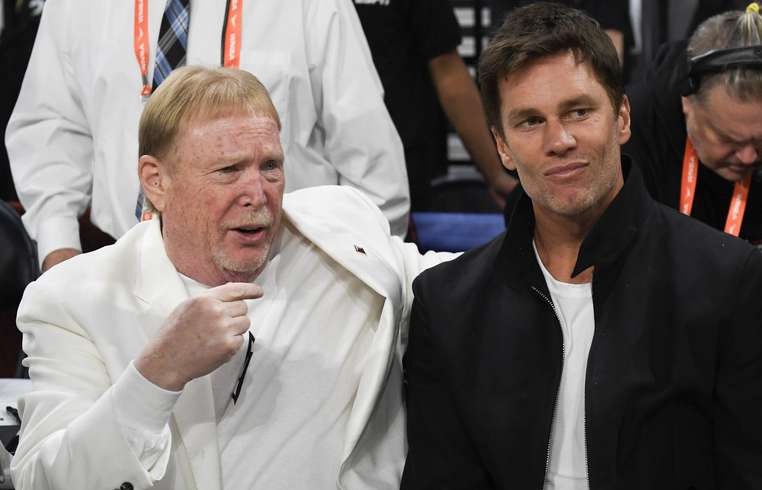
In the midst of Sunday’s provocative Green Bay Packers and Detroit Lions clash, Tom Brady's multi-faceted role as a Fox Sports analyst and minority stake owner of the Las Vegas Raiders came under a stringent spotlight. While providing commentary during the game, Brady's candid criticisms over several controversial calls by officials have sparked a potential enforcement of NFL regulations against him. These comments, while resonating with widespread fan grievances this NFL season regarding inconsistent officiating, place Brady in possible violation of the 'Brady Rules'—a set of guidelines ensuring no perceived conflict arises by virtue of his ownership stake. These limitations forbid him from disparaging on-field officials while functioning in his broadcast capacity. The confidential agreement forming part of his commentator role directly addresses this, aiming to negate any bias or undue influence given his equity in a league team. Reports suggest that any breach could lead to significant fines, with penalties for a first infraction potentially hitting the $500,000 mark. The NFL’s decision on pursuing action this time is still uncertain; he previously faced similar scrutiny during 2025 but evaded sanctions, suggesting previous broadcaster latitude. The most heated moments arose in the game’s last stretch when a roughness penalty against Lions’ Derrick Barnes sparked Brady’s vocal disagreement. Insisting the interaction fell within norm playing conduct, Brady outlined that Barnes simply redirected his approach without aggressive violation. Co-commentator Kevin Burkhardt agreed, noting visual anomalies in officiating consistency, which Brady expanded on by discussing the inherent challenges defenders face in making immediate judgment calls. The debate continued after a flag against Packers' Karl Brooks for roughing the passer, with Brady defending Brooks’ textbook approach to tackling. Dean Blandino, the rules analyst, supported Brady, suggesting the play model textbook execution over infraction. With the NFL grappling with growing scrutiny over officiating standards this season, Brady's forthrightness invites greater introspection into his dual-position limitations. Whether the league deliberates and enforces sanctioning remains undecided. However, the incident highlights the tension between Brady's established persona of transparency and the hardline restrictions his part-ownership role imposes. Watching how the NFL manages this delicate balance helps delineate the future extent of these bound restrictions.
About usyoo

Categories
Tags