News - Iran Advocates Regional Self-Reliance for Mideast Security
Business Strategy
Iran Advocates Regional Self-Reliance for Mideast Security
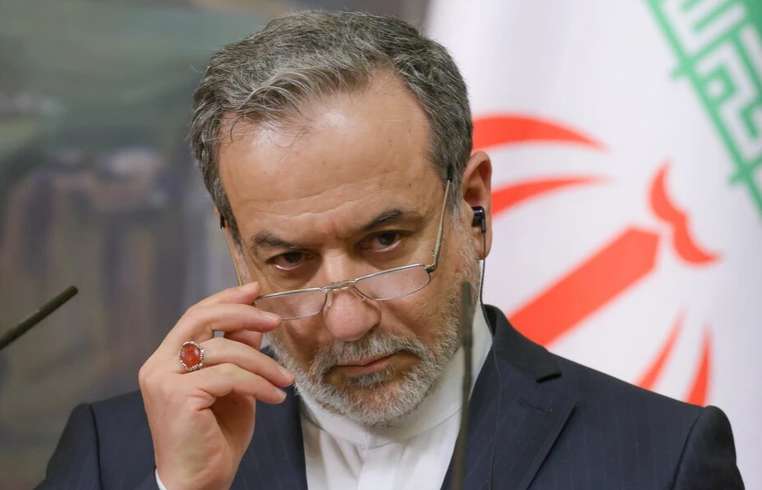
In a bold statement on Middle Eastern stability, Iran's Deputy Foreign Minister, Abbas Araghchi, articulated a vision for regional security that transcends external military involvements. Araghchi, speaking at a commemorative event for noted diplomat Kamal Kharrazi, asserted that true peace in the Middle East should originate from the collaboration and mutual agreements of the local nations themselves, rather than the heavy-handed policies of external powers who have, as he claims, historically exacerbated tensions to favor their interests. He highlighted Israel as the principal disruptor of peace, insisting that foreign governments have often prioritized Israel's strategic interests at the expense of regional harmony. To rectify this, Araghchi called for a significant scaling back of foreign military presences, such as those from Western nations, contending that these forces have played a pivotal role in fueling conflicts rather than resolving them. Araghchi's comments come amidst growing regional calls for more sovereign control over Middle Eastern affairs, with an increasing number of countries seeking to form coalitions that leverage economic, cultural, and geographic commonalities to foster a sustainable peace. These nations aim to form alliances that are not contingent on influence from other parts of the world, which often have conflicting agendas. Notably, Araghchi pointed out that a new framework for regional cooperation could involve political and economic partnerships focused on shared life-enhancing projects, education exchanges, and cultural diplomacy that strengthen inter-country bonds. By shifting the focus onto regionally initiated and led efforts, he suggested, the Middle East might better insulate itself against the cyclical violence and instability that have historically plagued it. In Iran's view, shedding foreign interference would not only allow for a more unified stance against common threats but also empower the countries to address humanitarian needs, economic rehabilitation, and cultural exchanges that build stronger societal foundations. Whether other regional players align with Iran's views remains to be seen, yet Araghchi's speech signals a clear resistance to any external effort perceived as divisive or imperialistic. Araghchi’s statements offer a profound call to action for Middle Eastern countries to take up the mantle of their future, and perhaps, redefine the parameters by which international diplomacy is conducted in this geopolitically critical area.
About usyoo

Categories
Tags