News - California is at the top of the list of cities in America with risky driving.
Business Strategy
California is at the top of the list of cities in America with risky driving.
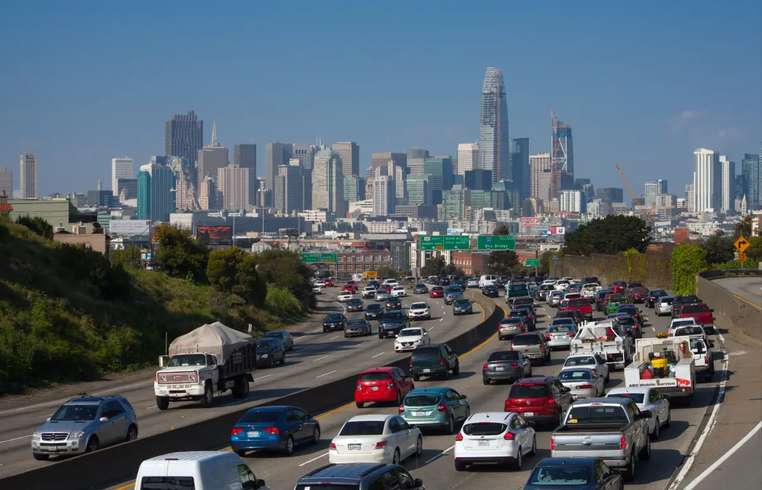
California's cities are on high alert as recent data reveals six of its urban areas rank among the top 10 riskiest places to drive in the U.S. San Diego, placing second, records a staggering 28.2 crashes per 1,000 drivers, closely followed by Los Angeles and San Francisco, each at 26.9, sharing the third position. LendingTree's new data indicates that these statistics may be driven by California's notorious traffic conditions, complex road networks, and driver behavior. Sacramento, Long Beach, and San Jose also made the list, with crash rates of 25.6, 22.7, and 22.3 per 1,000 drivers respectively. LendingTree insurance expert Lindsay Bishop suggests that congested traffic and intricate driving environments created by tangled roads and intersections increase the hazards for drivers. Despite these alarming figures, Raleigh, North Carolina surpasses all with a rate of 29.1 crashes. Nationwide, the average crash rate hovers around 17.9. Unique to the study, young drivers between 18 to 28 display a pronounced vulnerability with a crash rate of 33.1 per 1,000 drivers, a figure significantly higher than millennials and Generation X. This age group's limited road experience and tendency to engage in risky behaviors like speeding may contribute to their elevated crash rates. The report also touches on a correlation between vehicle brands and crash frequencies. While Ram drivers lead with 25.9 crashes, data shows Tesla and Subaru owners are not far behind with rates of 25 and 23.4 respectively. However, Bishop notes these statistics don't imply causality as variables like age, driving conditions, and car safety features can distort the figures. Fatal crash data paints another picture. Memphis leads with the most fatal crashes, while cities like Phoenix report the highest total deaths. In contrast, some cities like Atlanta and San Jose show declines in fatality rates. To combat these trends, Bishop advises drivers to steer clear of peak traffic times, stay vigilant, and maintain safe speeds and distances. Engaging in insurance programs that track driving habits may offer financial incentives for cautious drivers.
About usyoo

Categories
Tags