News - Revisiting the Timeframe of Van Gogh's 'Starry Night'
Business Strategy
Revisiting the Timeframe of Van Gogh's 'Starry Night'
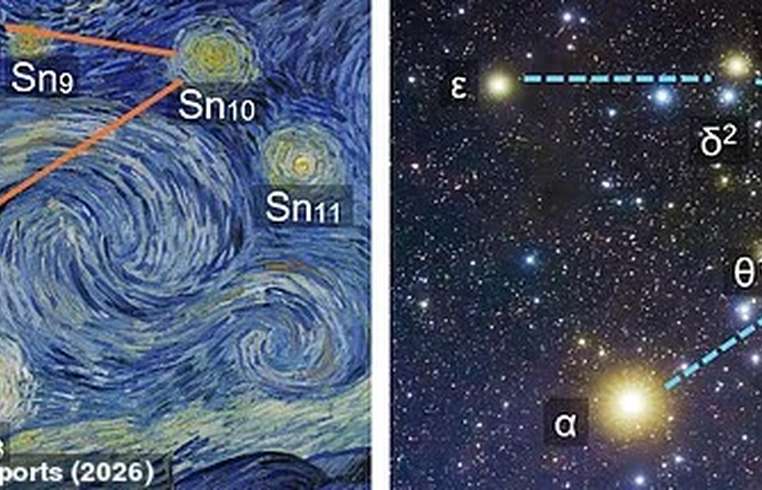
In a fascinating development, South Korean astronomers have recalculated the timeline of Vincent van Gogh's iconic painting 'Starry Night.' The study, published in Scientific Reports, suggests that van Gogh may have observed the dawn sky depicted in the artwork on July 22, 1889, revising previous assumptions about the painting's creation. By meticulously comparing the astronomical alignments in the night sky illustrated in the masterpiece with historical star charts, researchers highlight how van Gogh could have captured this celestial scene while residing in a mental institution in Saint-Rémy, France. This revelation not only enriches the historical context of the painting but also adds depth to our understanding of van Gogh's creative process during his time in the asylum. Compounded by this newfound knowledge, art historians and enthusiasts might re-evaluate the interplay between van Gogh's mental health challenges and his innovative artistry. The insights into van Gogh's work epitomize the intricate relationship between art and science, highlighting how historical records and scientific methodology can collaboratively enhance our appreciation of cultural heritage.
About usyoo

Categories
Tags