News - Catch a glimpse of October's enchanting Hunter's Moon.
Business Strategy
Catch a glimpse of October's enchanting Hunter's Moon.
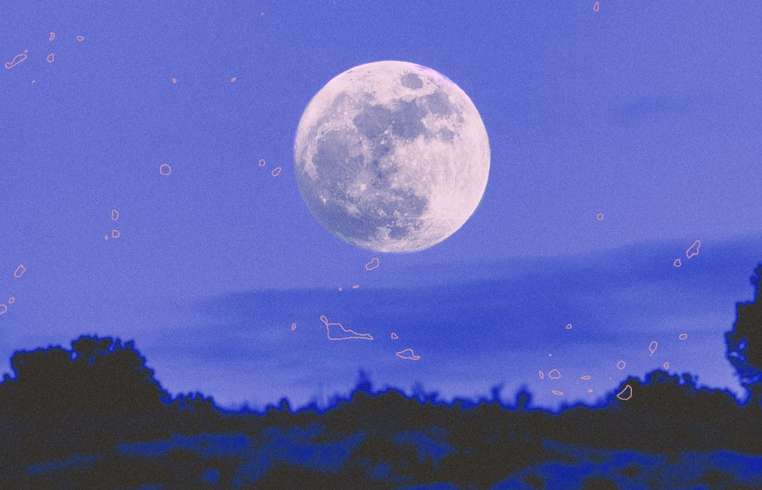
As October unfolds its final days, the sky offers a mesmerizing spectacle — the Hunter's Moon. Known for its significance linked to traditional hunting practices, this moonlight phenomenon signaled the prime time for hunters to prepare for winter. This year, the celestial event will peak at 12:11 a.m. ET on Monday, October 26. However, keen stargazers in various global time zones may catch its luminous brilliance late on Sunday, October 25. The Hunter’s Moon, unlike any other, is distinguished by its heightened radiance and protracted presence in the nocturnal sky, providing ample opportunity for revelers to immerse themselves under its glow. Following its peak, the next Full Moon is expected on November 24. The rhythmic dance of lunar phases, a cycle that ensues over roughly 29.5 days, manifests through eight dynamic stages. These phases, each displaying the moon in differing shades of illumination, capture its evolving beauty as it orbits Earth. Beginning with the veiled New Moon, the cycle progresses to the faint Waxing Crescent, expands to the spacious First Quarter, and then to the robust Waxing Gibbous. At its climax, the Full Moon emerges in all its illuminated glory, before subsiding into the Waning Gibbous, dwindles to the Third Quarter, and concludes with the slender Waning Crescent. Engaging with this cycle not only satiates a fascination for the lunar spectacle but also provides deeper insight into the rich cultural heritage and scientific disciplines that have sought to understand its celestial choreography.
About usyoo

Categories
Tags