News - Transportation costs are particularly burdensome for young people, minorities, and low-income Americans.
Business Strategy
Transportation costs are particularly burdensome for young people, minorities, and low-income Americans.
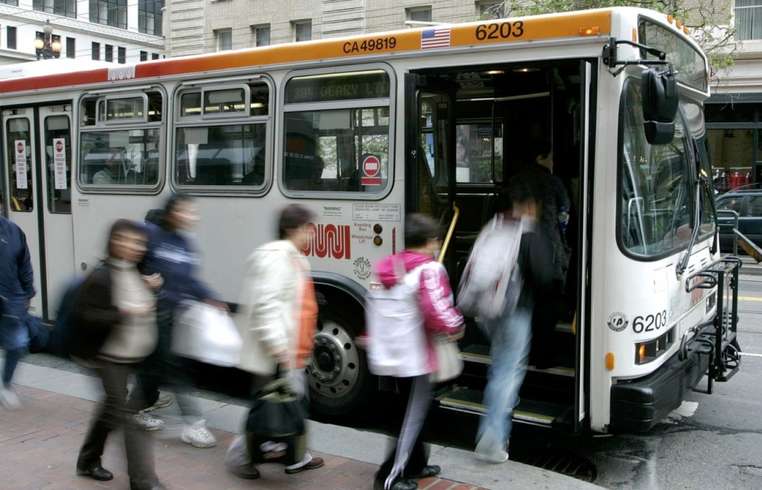
Transportation expenses have become a significant challenge for many Americans, with a recent survey by the Pew Research Center showing that over 20% of U.S. adults encountered difficulties affording daily transportation. This issue is part of a broader financial struggle affecting basic needs such as housing, medical care, and food. Notably, the burden of transportation expenses disproportionately affects younger adults, minorities, and those with lower incomes. Among adults under 30, the difficulty level stands at 36%, compared to only 9% for seniors aged 65 and above. Racial disparities are also evident: 34% of Black adults and 31% of Hispanic adults report transportation-related economic stress, whereas only 17% of White adults do. The gap widens with income levels, as 42% of lower-income individuals struggle in this area, while only 4% of high-income residents face similar issues. The findings highlight an unsettling pattern of financial insecurity, exacerbated by a quarter of adults also unable to pay specific bills in full or lacking sufficient emergency savings. The economic strain is further clear, with many resorting to borrowing to manage costs—half of those facing hardships borrowed money from friends and family, whereas others turned to short-term loans like payday advances. Additionally, 70% of survey respondents reported cutting back spending on non-essential activities like going out or entertainment. As transportation costs become a notable part of living expenses, these financial pressures depict a precarious situation for many American households.
About usyoo

Categories
Tags