News - French Riots: Unraveling the Blame Game
Business Strategy
French Riots: Unraveling the Blame Game
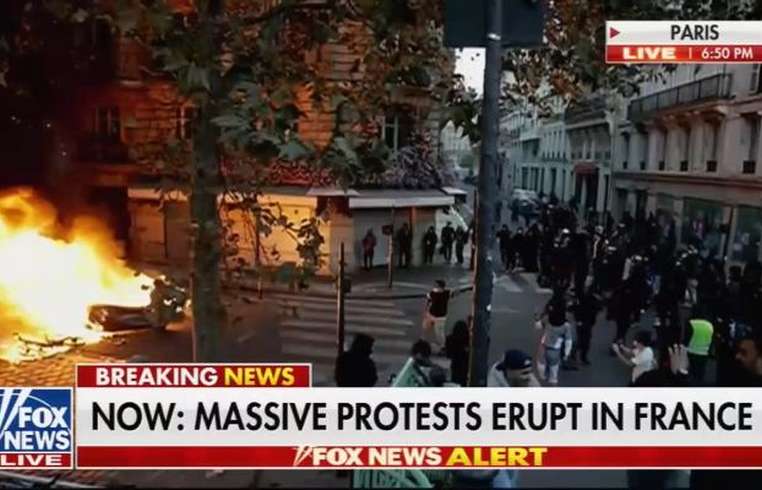
With the resurgence of violent riots in France, the search for the underlying causes has ignited a fierce debate. Some have pointed the finger at France's immigration policies, suggesting that migrants are the primary instigators. Others have flagged left-wing activists as key contributors to the chaos. However, according to an investigation by AP reporters Sylvie Corbet and Joseph Wilson, these narratives do not hold water. Corbet and Wilson argue that the rioting is being driven by opportunistic criminals rather than stemming from immigrant communities or radical leftists. Their work challenges the stereotype that migrants of Muslim heritage are predominantly responsible for the unrest in France and Italy, pointing out that the rioters' sociological makeup remains undetermined and defies singular characterization. Discussing the allegations against the far-left, Corbet and Wilson acknowledged that elements within the far-left have engaged in violent activities. Nevertheless, they argue against branding the entire movement as the primary or sole architects of ongoing riots. Several political figures, including President Emmanuel Macron, have attributed the disorder to left-leaning agitators, but this, Corbet and Wilson suggest, is largely rhetorical in the run-up to national elections. Highlighting France's historical precedent for street protests that sporadically devolve into violence, Corbet and Wilson emphasize that generalized blaming can exaggerate the roles played by dedicated groups. Experts like Professor Sebastian Roché assert that the radical far-left is not capable of inciting such widespread violence due to their limited size and lack of organizational structure. French intelligence sources, however, have contested this by identifying groups like the Black Bloc, antifa, anarcho-autonomists, and anarchists as instigators. These factions, although ideologically distinct, are perceived to execute well-coordinated violent acts, complicating the narrative that only marginal groups are involved. Ultimately, for those affected by the uproar – including the victims whose assets have been targeted by anarchy or opportunistic theft – the distinction offered by experts and authorities involves cold comfort. While anarchists might facilitate an environment ripe for criminal acts, significant blame may also lie with broader socio-economic conditions or political dissatisfaction fueling the unrest.
About usyoo

Categories
Tags