News - Bukele Warns Haitian Gangs: Return Our Soldiers or Else
Business Strategy
Bukele Warns Haitian Gangs: Return Our Soldiers or Else
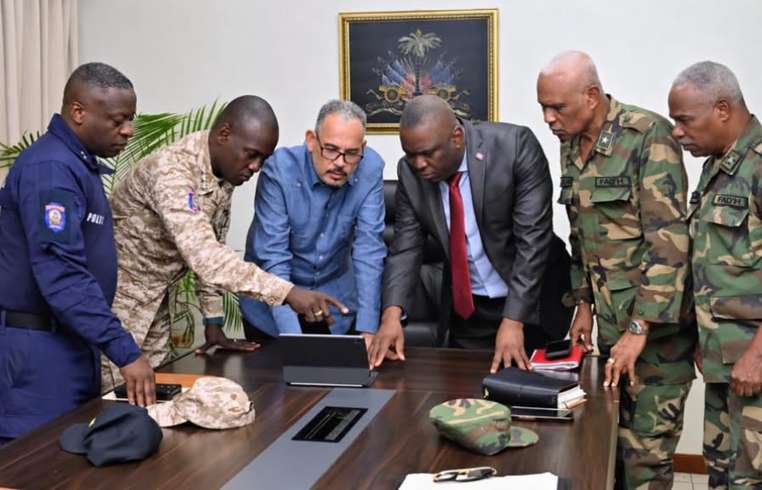
In an escalating response to the abduction of four Salvadoran soldiers in Haiti, Salvadoran President Nayib Bukele issued a stern warning to Haitian gangs responsible for the recent ambush that led to their disappearance. The incident occurred in Croix-des-Bouquets, near Haiti's capital, Port-au-Prince, where the soldiers' vehicle was set on fire. Bukele emphasized that the absence of their return, unharmed and alive, would provoke a heightened military intervention, reminiscent of his government's forceful actions against gangs in El Salvador. The soldiers, aviation technicians on a humanitarian mission in Haiti, disappeared on October 18 while returning from a local supermarket. Amid concerns for their safety, Bukele declared that while operation efforts currently in place are significant, they represent only an initial measure of what the Salvadoran response could become. These operations are focused on medical evacuations and are not engaged in combat activities. Bukele's warning, shared via social media, demands the gangs make the decision to return the soldiers and avoid further escalation. Haitian authorities, in turn, have prioritized the release of the soldiers, coordinating with the Gang Suppression Force (GSF) to ramp up operations against armed groups in the area. Recent confrontations have already led to injuries among GSF personnel and casualties among gang members, exacerbating the tense environment in communities such as Santo, which remains a stronghold for gangs like Chen Mechan and 400 Mawozo. Security forces, mobilized in collaboration with international agencies, continue their operations amid the broader challenge of gang control in Haiti, as residents face increasing risk of collateral damage in the conflict. Social media images illustrate the harsh realities for civilians, showing homes riddled with bullet holes as the authorities urge residents to remain indoors. Bukele is readying to send additional Salvadoran troops to Haiti if necessary, reinforcing the ongoing mission to safely recover the soldiers. His administration, in cooperation with Haitian leaders, is involved in a delicate balance of negotiation and military readiness as the situation develops. Regional and international attention is poised on the evolving crisis, reflective of the instability wrought by armed groups in Haiti, which has wide-reaching consequences for both nations involved.
About usyoo

Categories
Tags