News - Hackers target French supermarkets, exposing global vulnerabilities
Business Strategy
Hackers target French supermarkets, exposing global vulnerabilities
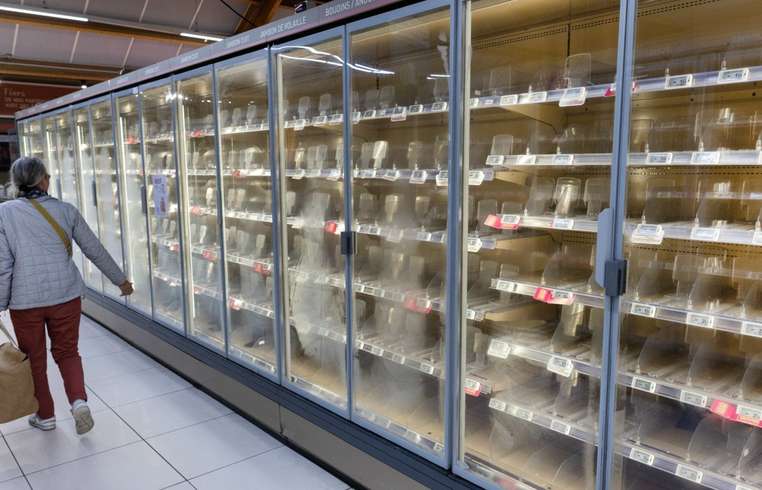
In a striking display of technological exploitation, French supermarket refrigeration systems were hacked, leading to the spoilage of significant quantities of produce. This incident underscores the increasing threat cybercriminals pose to industries reliant on interconnected devices. By remotely triggering defrost cycles, the hackers effectively disrupted supply chains, drawing attention to similar risks globally, including in the United States. The importance of these systems lies in their networked nature, which was initially intended for efficiency and ease of maintenance but has now revealed significant security flaws. Refrigeration units with internet-connected controllers, which allow for remote temperature adjustments, become potential targets for cyber invaders who can manipulate settings to cause damage. This isn't an isolated event. Major suppliers like United Natural Foods and grocery conglomerates such as Ahold Delhaize USA, which operates thousands of store locations, have previously experienced disruptions due to cyberattacks. The financial repercussions of these attacks are massive, as seen with the British chain Marks & Spencer, which faced substantial economic losses. To mitigate these risks, cybersecurity experts stress the importance of robust security protocols, specifically urging businesses to move away from default system settings, frequently update software, and adopt two-factor authentication. Despite these efforts, the growing attack surface of smart appliances marks them as vulnerable points within the broader food supply chain. As industries grapple with this emerging threat, the incident highlights how critical the protection of connected devices is to maintaining uninterrupted food distribution. Experts like Muhammad Yahya Patel warn that such attacks represent the cutting edge of cyber sabotage, producing immediate and visible impacts on the food retail sector's bottom line. Ultimately, safeguarding these systems is paramount to preventing further exploitation and ensuring resilience across global food networks.
About usyoo

Categories
Tags