News - A New Jersey firm contests Trump's tariffs on Canadian goods.
Business Strategy
A New Jersey firm contests Trump's tariffs on Canadian goods.
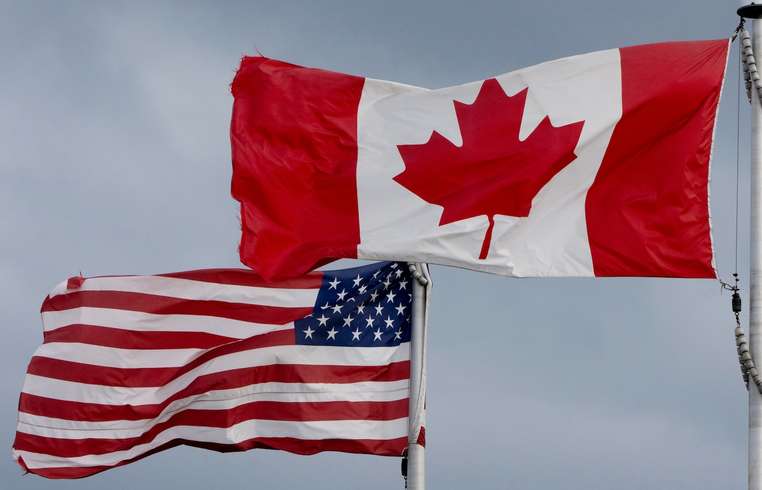
In a bold legal move, the New Jersey-based Gellert Global Group challenges President Donald Trump's invocation of a 1930 law to impose steep tariffs on Canadian imports. The importer argues that the President's decision to enforce a 50% tariff on $20 billion worth of Canadian products breaches the legal limits set by subsequent trade legislation. This case, presented to the U.S. Court of International Trade, questions the validity of Trump's use of Section 338 of the Tariff Act amid growing diplomatic tensions with Canada. The conflict traces back to August when Trump invoked this rarely-used Depression-era statute, leading Canada to retaliate with matching economic measures. By further escalating tensions, President Trump additionally announced a ban on nearly $1 billion of Canadian items in sectors including dairy and automotive. This trade rift jeopardizes the traditionally amicable relationship between the U.S. and its northern neighbor. Liberty Justice Center, representing Gellert, insists that the constrained forms of presidential authority vested by newer trade laws supersede Trump's current reliance on Section 338. Historically dormant, this maneuver by the President has never faced courtroom scrutiny until now. Advocacy groups argue such impositions bypass essential congressional oversight, suggesting Trump oversteps his presidential remit. Though Trump's prior attempts with tariffs, under the guise of addressing trade imbalances, were recently overturned by the Supreme Court, this new challenge sheds light on the administration's ongoing pursuit to bolster economic fortifications through unilateral trade policies. Recent tariffs targeting countries accused of exploiting forced labor mark another contentious chapter in these endeavors. The implications of this lawsuit could redefine the parameters of presidential power in trade matters, pressing Congress and courts to reevaluate the boundaries of historical statutes versus modern legislative standards. With the U.S. and Canada both entrenched in a round of retaliatory trade measures, the outcome holds significant repercussions for bilateral economic ties. As this legal battle unfolds, it remains to be seen whether this will forge a path for a renewed understanding of trade authority dynamics in an interconnected global marketplace.
About usyoo

Categories
Tags