News - Tax exemption drains $1.2M from North Charleston schools
Business Strategy
Tax exemption drains $1.2M from North Charleston schools
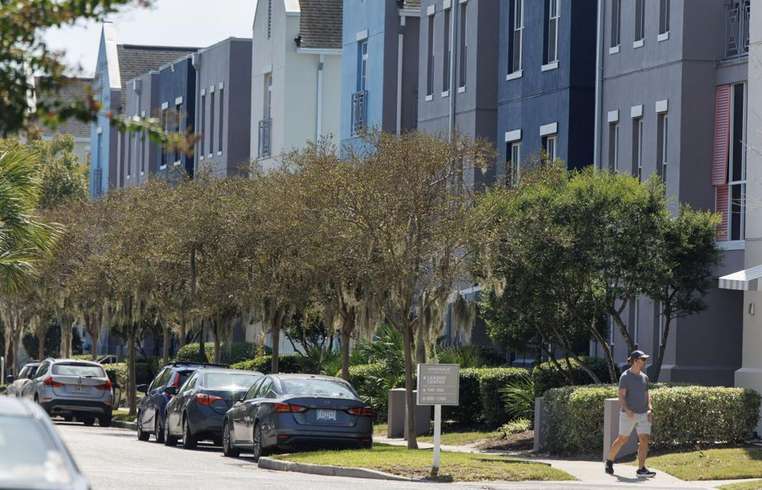
In a surprising shift, a sprawling 21-building apartment complex in North Charleston will contribute nothing in property taxes in 2026 after paying a hefty $1.2 million in 2025, more than half of which supported local public schools. This change is due to a newfound tax-exempt status following criteria that 75% of the apartments be deemed affordable. Attempts to reach the Texas-based owners, Comunidad Partners, and Housing on Merit, a nonprofit group from Beverly Hills involved in the agreement, were met with silence. Affordable housing is complexly calculated based on median local incomes. These calculations determine that rents affordable to low-income tenants do not significantly differ from existing market rates, facilitating the complex's qualification for tax exemption. To meet the exemption standards, the property must offer at least 75% affordable housing, which normally breaks down to 55% for low-income and 20% for very-low-income tenants, leaving 25% at market-pricing. The definition of low-income varies by location, based on area median income (AMI). In Charleston, the benchmark person earns up to $65,840, translating to a housing budget of up to $1,646 monthly. Ironically, the average market rent for a one-bedroom apartment in the area closely aligns with this 'affordable' threshold, noted RentCafe data, stating a typical $1,530 monthly rent for single-bedroom units in similarly sized complexes. Documents submitted for the exemption detailed that many units, particularly those at the 80% AMI rate, even surpassed comparable market rents. Facing an ongoing affordable housing crisis, such changes in taxation laws affect more than just municipal revenue and place further weight on policy makers seeking to balance urban development with essential public services.
About usyoo

Categories
Tags