News - High Court Deadlock Leaves Global Copyright Reversion Intact
Business Strategy
High Court Deadlock Leaves Global Copyright Reversion Intact
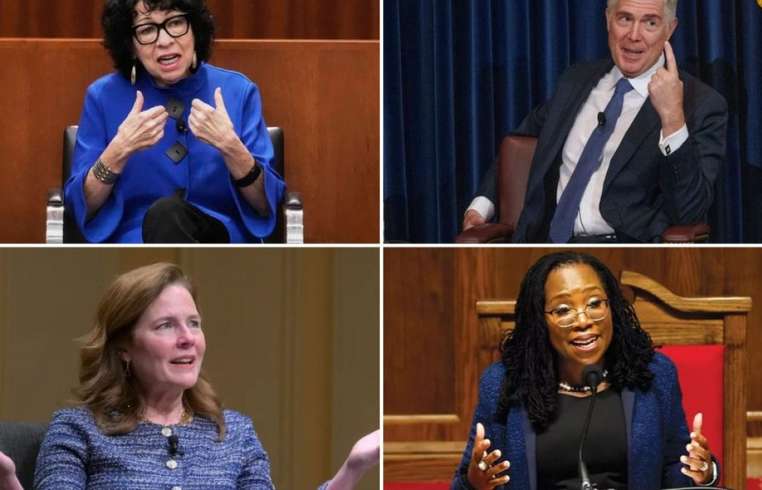
In an unprecedented situation, the Supreme Court found itself unable to deliberate on a significant copyright case due to four justices recusing themselves, resulting in the lack of a quorum. This unusual circumstance led to the affirmation of a lower court decision regarding a contentious issue of copyright scope. At the heart of the case, BMG Rights Management v. Vetter, was the question of whether the reversion rights granted to authors and their heirs under U.S. copyright law extend to international copyrights or are confined to those within the United States. The absence of participation from four justices—whose recusals render the panel short of the minimum required quorum—left the Supreme Court no choice but to uphold the decision of the 5th Circuit Court of Appeals. The appeals court had determined that such copyright reversion rights do indeed extend globally, a ruling that has substantial implications for both creators and the music industry at large. Major music labels argued against the global application, asserting that such scope infringes upon international treaties and complicates rights management overseas. However, artists and their estates welcomed the appellate court's ruling, recognizing it as a victory for extending their rights and potential revenue streams beyond the U.S. borders. As the music industry grapples with the ruling, the outcome also underscores the challenges faced by global intellectual property laws and the complexities involved in harmonizing such laws across jurisdictions. Without the Supreme Court's intervention, the landscape for global copyright management is poised for significant evolution, awaiting future legal challenges that could further clarify or reshape its application.
About usyoo

Categories
Tags