

News - The examination of AI investments is becoming more rigorous amid economic uncertainty.
Business Strategy
The examination of AI investments is becoming more rigorous amid economic uncertainty.
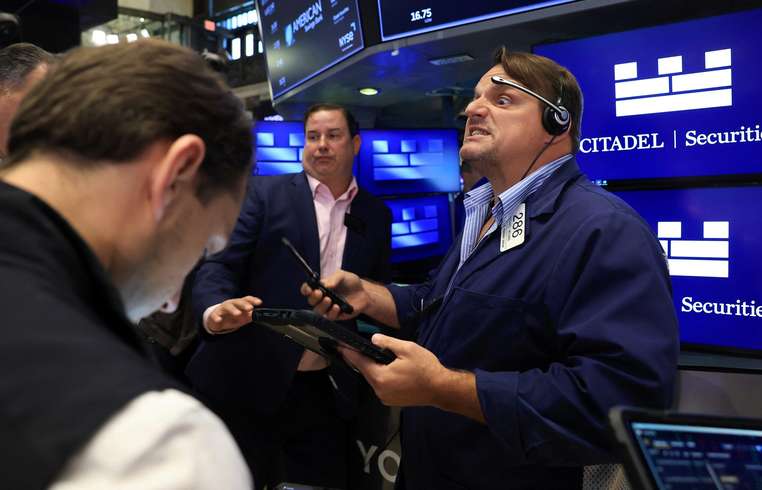
Wall Street is currently engaged in a debate regarding the sustainability of the artificial intelligence (AI) investment trend, with growing concerns about whether the sector has reached a bubble state. Key issues, such as Nvidia's volatile market cap, heavy borrowing by AI hyperscalers, and unclear funding methods, have fueled these discussions. Among the significant issues, CoreWeave's recent financial struggles have highlighted the potential risks associated with high leverage and increased borrowing costs that have arisen due to geopolitical tensions, particularly the Iran conflict, and the Federal Reserve's interest rate hikes aimed at controlling inflation. CoreWeave, a neocloud computing firm, has experienced a drastic drop in its stock value and a spike in its credit default swaps. Despite reassurances from the firm’s CEO, Mike Intrator, and Nvidia’s CEO, Jensen Huang, about CoreWeave's resilience, the market remains cautious. This caution is highlighted by warnings from industry experts like Dan Greenhaus of Solus Alternative Asset Management, who compared present vulnerabilities to the consistent alarms over the years about the tech sector’s volatility but noted that the market continues to reach new heights. However, he also stressed that as borrowing costs rise, the viability of sustaining speculative ventures in AI becomes questionable. Furthermore, analysts at Bank of America have pointed out that the AI boom is following a classic capital cycle that usually ends in disappointment due to initial high profit margins leading to overinvestment and intensified competition, especially from China's burgeoning AI models. Additionally, reductions in business spending and the decline in token prices suggest a potential mismatch between estimated revenues and capital expenditures in the sector. Gartner's forecast that AI data centers need $8.5 trillion in revenue by 2030 to meet financial requirements starkly contrasts with the estimated cumulative revenue of $3.6 trillion, presenting the risk of a $4 trillion asset write-down by 2032. These projections illustrate a challenging landscape for AI firms heavily dependent on debt, requiring strategic adjustments to manage future uncertainties. Despite the increased scrutiny and calls for caution, some investors see the current climate as a buying opportunity, wagering on continued demand for AI technologies. However, the complex dynamics of competition, financing costs, and economic pressures indicate a complicated path forward for AI as it seeks a balance between innovation and financial sustainability.
About usyoo

Categories
Tags