

News - The Decline of Dinner Parties: Experts Decode America's Hosting Slump
Business Strategy
The Decline of Dinner Parties: Experts Decode America's Hosting Slump
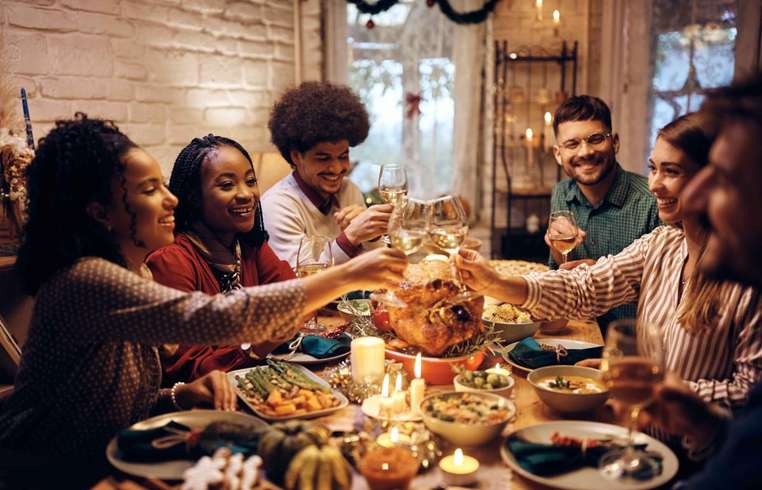
Once a cherished tradition, dinner parties in America are witnessing a noticeable decline, with recent analysis revealing a decreased frequency in home-hosted gatherings. Data for Progress' study shows a significant drop from 88% of Americans entertaining at home in 1995 to only 67% in 2026. Frequent hosting, once a staple with 42% of people hosting monthly in 1975, has dwindled to merely 12%. Experts attribute this trend to several factors: the demands of busy lifestyles, increasing work commitments, the blurring lines of professional and personal responsibilities due to more working women, and multi-job scenarios that leave people too exhausted to host. As Florida-based psychotherapist John Puls notes, the strain of daily obligations can render hosting just another task, even when the desire to connect remains. The pressure of high expectations, exacerbated by the social media era, makes hosting feel like a daunting task. Wildaliz Caro, Ph.D., suggests the pursuit of perfection can overwhelm potential hosts, making them dread gathering planning. Moreover, accommodating diverse dietary preferences adds to this burden. Financial considerations also weigh heavily. The rising costs of groceries and housing make hosting a costly affair. Daniel Schatz, Ph.D., highlights how smaller living spaces contribute to these practical difficulties. Another underlying cause is the shrinking circle of friends. With only 38% of Americans having five or more close friends in 2021, compared to 63% in 1990, hosting becomes less frequent. The erosion of social networks, as pointed out by Schatz, particularly impacts younger adults and those with lower income, intensifying feelings of loneliness, a concern echoed by the U.S. surgeon general. Additional factors include the convenience of digital entertainment, which makes staying home more appealing. As Schatz notes, streaming eliminates the need for planning or social exertion required by traditional gatherings. However, experts advocate for reviving informal meeting habits to reignite social connections. Schatz proposes simple solutions like casual coffee dates or takeaway meals to lower the entry barrier for gatherings. Emphasizing that the goal is not to resurrect extravagant dinner parties but to reintegrate regular social interactions, the hope is to reverse the trend of social isolation.
About usyoo

Categories
Tags