
News - London Faces 'Harry Potter' Ban Debate Amidst J.K. Rowling Stance Controversy
Business Strategy
London Faces 'Harry Potter' Ban Debate Amidst J.K. Rowling Stance Controversy
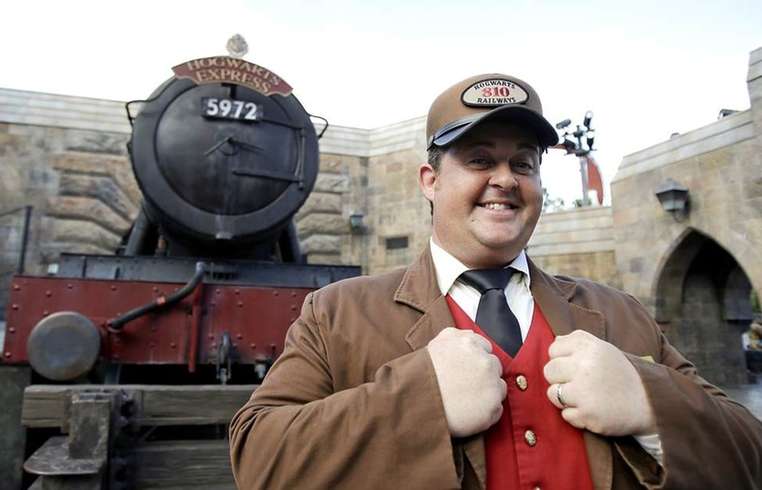
The iconic 'Harry Potter' series, authored by J.K. Rowling, is not just a magical tale but a cultural phenomenon in Britain, leading to substantial global fame. Despite Rowling's liberal stance, her public views on transgender issues have led to friction with various activist groups, who have initiated attempts to cancel Rowling and her acclaimed works. This has extended to attempted boycotts, including against the successful 'Hogwarts: Legacy' video game and anticipated HBO release. In a recent twist, London's Deputy Mayor for Communities and Social Justice, Debbie Weekes-Bernard, has hinted at the possibility of banning 'Harry Potter' events in London. Her concerns revolve around the potential impact of these festivities on the transgender community in London. Her views have been met with opposition from those emphasizing the economic and cultural benefits the Potter-themed events bring to the city, drawing significant tourism. Critics argue that efforts should be redirected towards addressing religious hate speech within the city rather than targeting a celebrated literary work. This highlights a deeper dialogue about free speech, cultural influence, and public policy, reflective of broader societal tensions. The 'Harry Potter' fan base, known for its dedication, has demonstrated remarkable influence, evidenced by their successful campaign to thwart an undersea cable project affecting a key fansite in Pembrokeshire, Wales. While trans advocacy groups remain critical, the franchise's solid fan support and Rowling's resilience continue to sustain its momentum. As debates ensue, the future of 'Harry Potter' in London's cultural landscape remains uncertain.
About usyoo

Categories
Tags