
News - EU Expands Sanctions Against Russian Entities
Business Strategy
EU Expands Sanctions Against Russian Entities
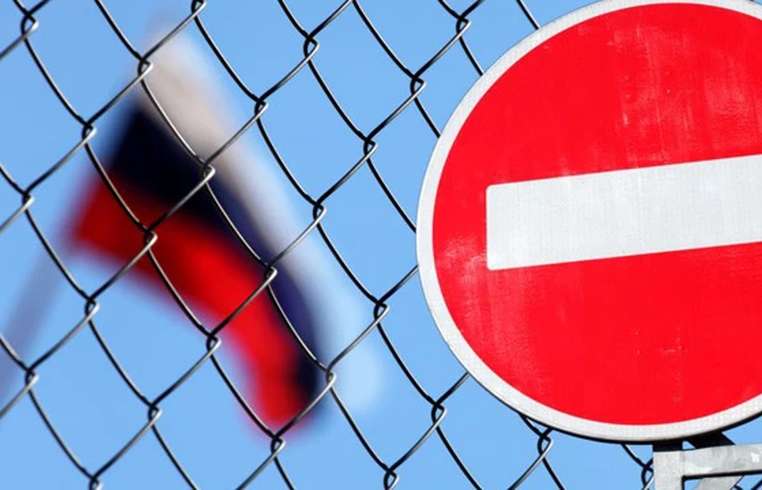
In a significant move on October 12, the European Union Council expanded its sanctions against Russia, adding 826 companies and 743 individuals linked to the country's defense sector. The newly sanctioned entities are primarily involved in supplying parts for missiles and drones, as well as aviation technology, contributing to Russia's military capabilities. This expansion, described as the largest since the inception of the Ukraine conflict, aims to curb the resources available to Russia's war efforts. The sanctions include freezing assets within the EU and banning entry for the listed individuals, reinforcing the EU's stance on diplomatic and economic pressure. European officials underscore this action as part of a broader strategy to restrain military aggression and promote compliance with international laws. The groundwork for these sanctions involved meticulous investigation into the complicity of the targeted entities in bolstering Russia's military operations. As the geopolitical landscape continues to shift, the EU remains vigilant in its approach to maintaining regional stability and addressing violations of sovereignty. Over recent years, the EU has leveraged economic sanctions to uphold democratic values and legal commitments worldwide, and the current measures against Russian sectors represent a continuation of this policy. Diplomatic circles are now watchful of any retaliatory measures from the Russian side, sparking discussions on economic resilience and diplomatic channels to resolve ongoing tensions. As the sanctions take effect, impacted sectors in Russia may face significant challenges, potentially leading to shifts in global supply chains and diplomatic partnerships.
About usyoo

Categories
Tags