News - EU Confronts Energy Transition Challenges Amid Geopolitical Risks
Business Strategy
EU Confronts Energy Transition Challenges Amid Geopolitical Risks
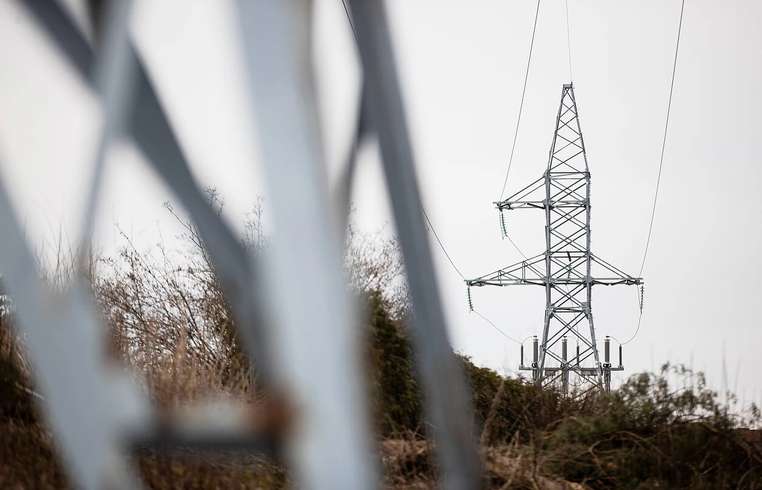
A recent report by the European Court of Auditors highlights that the European Union has significantly reduced its reliance on Russian energy resources through the REPowerEU initiative, launched in 2022. However, this transition has faced numerous challenges in achieving full integration of the European energy market. As the EU gradually moved away from Russian gas, with imports notably decreasing, the dependencies have shifted, complicating the situation. This evolution is not solely due to the initiative, as mild winters and a general reduction in energy demand resulting from escalating prices have also contributed. Although there have been advancements in solar and wind energy capacities, the REPowerEU program directly contributed to only a limited portion of this growth. The report emphasizes the risks involved in this energy transformation, noting that without adequate development of internal renewable sources and grid infrastructure, the EU might inadvertently replace one dependency with another. Financial challenges are also highlighted, as a significant amount of project funding has yet to be allocated, with only a small part of the EU's recovery fund addressing these needs. Amidst these challenges, the EU is urged to consider the evolving geopolitical risks and quickly learn to enhance its energy diversification strategies, ensuring a stable and resilient energy future.
About usyoo

Categories
Tags