News - Chevron's Bold Plan: Doubling Oil Output in Venezuela by 2031
Business Strategy
Chevron's Bold Plan: Doubling Oil Output in Venezuela by 2031
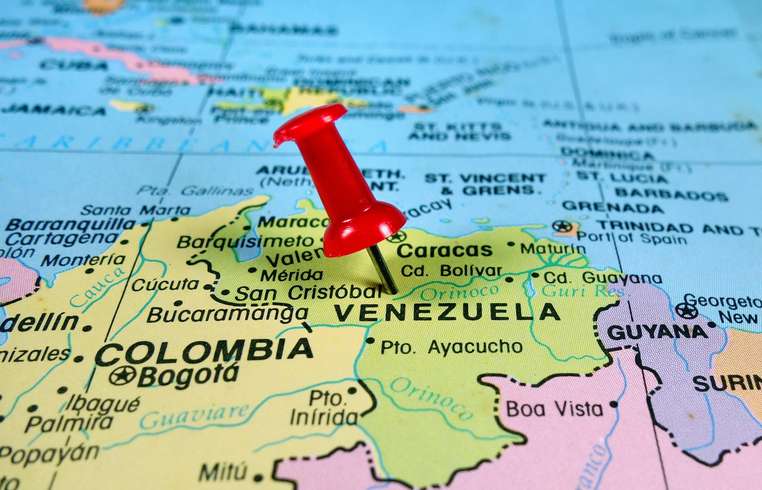
The energy sector has long been filled with discussions about declining reserves, but ongoing discoveries and technological developments suggest that the real issue lies in accessing viable reserves. Chevron, a major player in this sector, is focusing on a significant increase in oil production—specifically in Venezuela, where the company aims to boost output to 600,000 barrels per day by 2031. With a planned $7 billion investment over the next five years, Chevron intends to more than double its current output of 280,000 barrels per day. However, the company's ambitious target is accompanied by significant risks, given Venezuela's history of political instability and challenging relations with Western oil firms. The long-standing complexities of Chevron's operations in Venezuela date back over a century. The recent detention of former President Nicolas Maduro by the U.S. and an agreement that allows control over 65 billion barrels of Venezuelan crude highlight Chevron's potential for substantial gains. Nonetheless, concerns loom over Venezuelan President Delcy Rodriguez's possible strategies and timing, as she might use the agreement as a political maneuver until a new U.S. administration takes office in 2029. Moreover, the political dynamics pose further uncertainty. The future of the agreement is unclear, especially amid calls from democracy advocates for free electoral processes to replace Rodriguez. Opposition leader María Corina Machado, who claimed electoral victory in 2023 but was barred from office, has criticized the current regime's mismanagement of Venezuela's oil wealth. Her potential rise to the presidency could introduce new terms for oil companies, potentially delaying Chevron's ambitious production goals. While Chevron could benefit from a potentially open market, its Venezuelan expansion is a high-stakes gamble as it navigates unpredictable political waters and redefines global energy dynamics.
About usyoo

Categories
Tags