News - Stephen Curry could become the NBA's corporate pioneer with profit-sharing initiatives.
Business Strategy
Stephen Curry could become the NBA's corporate pioneer with profit-sharing initiatives.
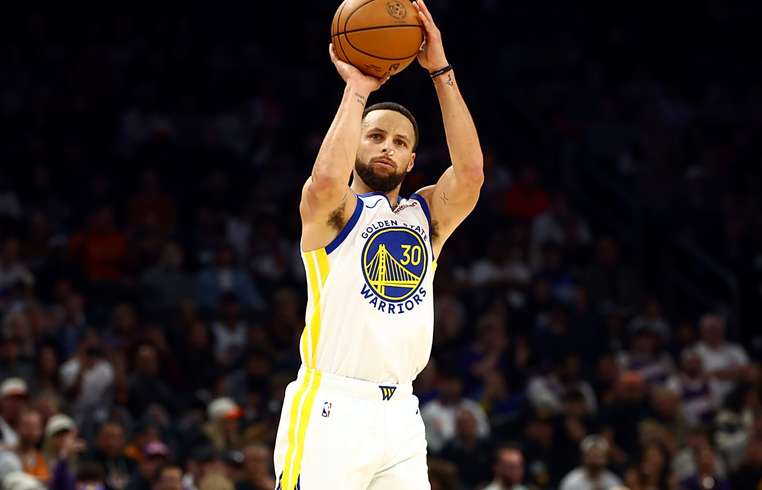
Stephen Curry of the Golden State Warriors is not just a basketball phenomenon but a transformative business asset. As Curry’s prowess and influence have significantly bolstered the Warriors' brand and revenue streams, sports industry insider Rich Paul advocates for a groundbreaking compensation model. Paul suggests Curry should receive profit-sharing and stock options, akin to high-ranking executives in Fortune 500 companies—highlighting a pivotal shift in athlete compensation philosophy. Curry's journey from rookie to superstar has synchronized with the Warriors' evolution from a moderate-value team to a global sports giant valued at over $10 billion. Much of this valuation boom can be traced back to Curry's magnetism and on-court excellence, which have attracted fanbases, boosted merchandise sales, and elevated viewing ratings both for the team and the NBA. In a recent discussion on the 'Game Over' podcast, Paul argued that while Curry’s multimillion-dollar salary is substantial, it pales in comparison to the expansive value he creates for the organization. Paul proposes that a new compensation framework should mirror corporate America practices, where star contributors receive a combination of salary, bonuses, profit shares, and stock options that accrue value over time. This model not only reflects their current contribution but also invests in their future, proportionate to their impact on the franchise's success. Supporting Paul’s argument is the precedent set by industry titan Steve Ballmer, who accrued significant wealth from his Microsoft stock options during his tenure as CEO, enabling him to purchase the LA Clippers. Ballmer's story illustrates how corporate equity can transform personal capital, a path NBA players like Curry could follow if offered similar opportunities. The evolving business acumen of modern athletes, combined with a broader understanding of financial systems, signifies a shift. Players now seek financial arrangements that recognize their critical role in brand and market growth, transcending the traditional view of players as mere entertainers. With past legends like Magic Johnson paving the way for athlete entrepreneurship, the call for fair equity stakes in franchises is gaining momentum. During the podcast discussion, Paul's insights were corroborated by co-host Max Kellerman, who further emphasized the global brand value Curry brings to the NBA. As the league and its teams reach unprecedented financial heights, there is an increasing consensus that players of Curry’s stature should reap equitable benefits reflective of their contribution. Paul's proposition represents more than compensation reform—it beckons a new era where sports and corporate frameworks converge, empowering athletes to become stakeholders beyond their athletic endeavors. Time will tell if the Golden State Warriors herald this potential revolution by aligning their compensation strategies with Curry's unmatched value and influence. As Curry continues to elevate his game and the Warriors brand, his potential pioneering role in reshaping athlete compensation models remains a captivating prospect.
About usyoo

Categories
Tags