News - Global beef production is expected to face a projected decline by 2026.
Business Strategy
Global beef production is expected to face a projected decline by 2026.
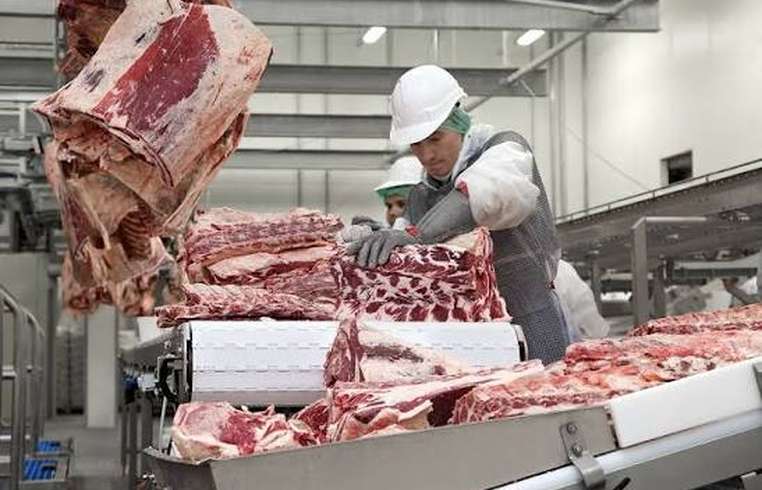
In the latest Global Beef Quarterly report for Q3 2026 by RaboResearch, the forecast suggests that global beef production will contract by approximately 2-3% from 2025 to 2026. The report highlights a shift in global beef distribution flows due to diminishing global reserves and increased cattle prices. Trade dynamics have notably shifted since China enforced an import quota that curtailed Australia's beef exports to the country starting June. Additionally, the Brazilian beef market may face significant declines as the quota threshold nears its limit. The scenario is aggravated further with the anticipated halt of EU beef supplies, creating a challenging outlook for countries like Brazil heavily reliant on exports. Stakeholders are advised to closely monitor these developments as they unfold and possibly revise their trade strategies accordingly. Some of the factors contributing to this decline include Australia's recent drought-induced herd liquidation, which had temporarily increased production but now is leading to a reduction in cattle numbers. Meanwhile, trade barriers, including China's quota and potential European Union suspension of Brazilian imports, are set to redefine the export landscape. Analysts assert that these combined effects will reshape market strategies and prompt beef-exporting nations to explore alternative markets. Moreover, the report emphasizes the implication of these shifts on consumer prices. Should the anticipated decline manifest as predicted, beef prices may see an upward trajectory, influencing both domestic and international consumption patterns. This prospective price hike poses a concern for consumers but offers a chance for producers to moderate the impacts through nuanced adjustments in supply chains and production efficiencies. Strategists and industry participants are encouraged to engage in proactive planning and revisit their export models to navigate the anticipated challenges effectively. The global beef market stands at a pivotal point, faced with intricate dynamics requiring agile adaptation to upcoming changes.
About usyoo

Categories
Tags