

News - Record gas prices put a strain on Americans over Labor Day.
Business Strategy
Record gas prices put a strain on Americans over Labor Day.
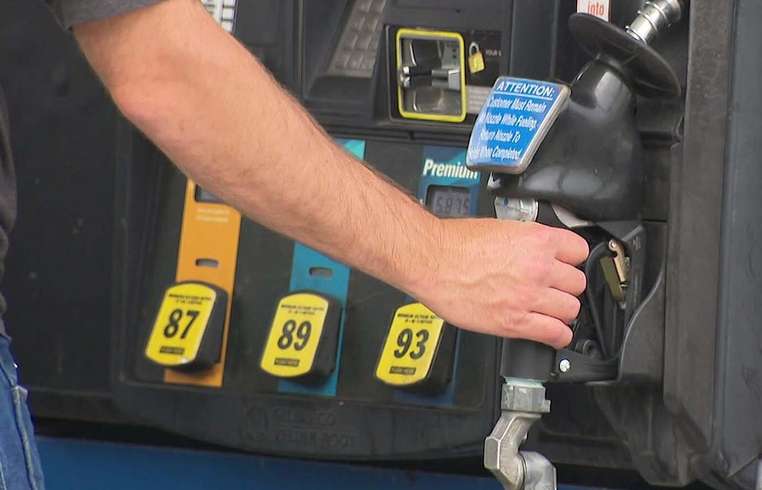
This Labor Day, U.S. drivers face unprecedented gas prices with regular gasoline averaging $4.14 per gallon, a dollar more than last year's high of $3.82 set in 2012. This steep rise follows the geopolitical upheaval sparked by U.S. and Israeli actions against Iran in February, leading to a dramatic reduction in crude oil passing through the Strait of Hormuz—a vital passageway which Iran has yet to reopen. Tom Seng, an energy finance professor at Texas Christian University, cites the crisis and regional tensions as primary drivers for the current spike. Energy Secretary Chris Wright confirmed efforts are underway to mitigate these costs, although the timeline remains uncertain. Historically, the highest nationwide fuel cost was $5.02 per gallon in June 2022; current diesel prices, however, have set new records at $5.85 per gallon. This increase is not only a domestic concern but also attributable to global factors like Russian refinery disruptions from Ukrainian drones, declining outputs from China, and the near-full capacity operation of U.S. refineries amid severe heat conditions. The consequences are far-reaching, affecting both consumers and businesses as the additional transportation expenses trickle down to household budgets, with Brown University's analysis indicating an extra $741 per household since the conflict began. Despite the current high prices, Wright notes market projections suggest a decrease in future gas rates. Strategies for saving include utilizing pricing apps to avoid higher fuel costs on major highways.
About usyoo

Categories
Tags