News - Iran's military issues a warning to the US about escalation concerning naval activities.
Business Strategy
Iran's military issues a warning to the US about escalation concerning naval activities.
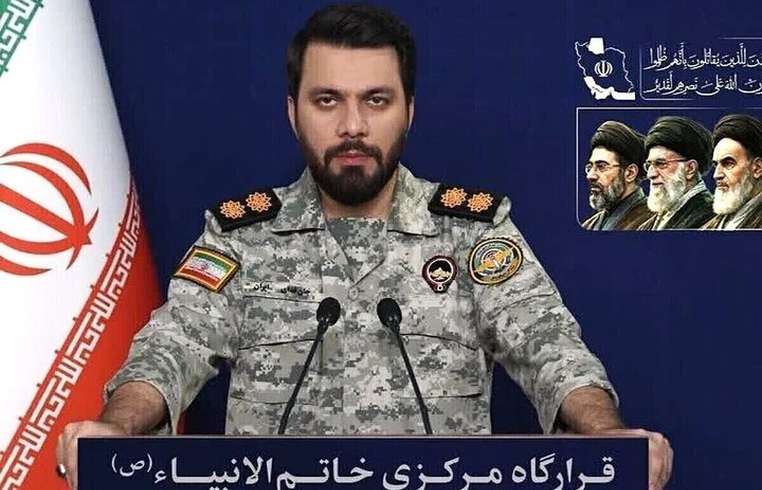
Iran's military has issued a stern warning to the United States, declaring that any continuation of strikes or naval blockades against its vessels may lead to a more forceful and extensive military response. The statement, delivered by Colonel Ebrahim Zolfaghari from the Khatam al-Anbia central headquarters, emphasized that Iran is prepared to escalate its military activities if the U.S. persists with what Tehran sees as aggressive actions, security threats, and disruption of Iranian shipping lines. The backdrop of this pronouncement is a series of reported strikes on Iranian oil tankers in the strategic waterways of the Persian and Oman Gulfs, areas that are crucial for global oil transport and maritime navigation. The accusations by Iran against U.S. military operations in these waters underscore the volatility and fragile nature of current U.S.-Iran relations. Iranian officials believe that the U.S.'s military posture and recent unilateral actions in the region hinder Iran’s entitlement to conduct legitimate economic and maritime activities. Tehran's narrative asserts that these actions are tantamount to economic warfare designed to exert pressure on Iran politically and economically. Iran’s standpoint is further bolstered by regional alliances and diplomatic engagements aimed at countering U.S. policies. The government has courted favor with key players in the region, advocating for a new security architecture that limits foreign military presence while promoting regional cooperation and stability. At the heart of Iran's strategy is the notion of self-reliance and resistance against what it perceives as Western hegemony, a principle that is deeply embedded in its national defense doctrine. The potential for escalation, as warned by Colonel Zolfaghari, could have significant ramifications beyond immediate military confrontations. It could affect global oil markets, international shipping routes, and increase tensions in an already fraught geopolitical climate. Both regional and international actors are closely monitoring the situation, wary of miscalculations that might lead to an all-out military conflict. Observers note that the rhetoric from both sides has intensified as Iran approaches pivotal elections, domestic pressures mount, and Washington faces its own internal and international policy crossroads. These dynamics are further complicated by global expectations regarding the revival of the nuclear deal and broader diplomatic negotiations. Iran’s insistence on its maritime routes' inviolability and its sovereign right to secure its borders resonate with nationalist sentiments within the country. However, the international community, particularly allies of the U.S., remains divided on the best course of action to de-escalate the tensions. Diplomatic efforts continue behind closed doors to prevent an escalation that could quickly spiral out of control and plunge the region into deeper conflict.
About usyoo

Categories
Tags