News - A viral video recommending a 35% tip has sparked a nationwide debate on tipping culture.
Business Strategy
A viral video recommending a 35% tip has sparked a nationwide debate on tipping culture.
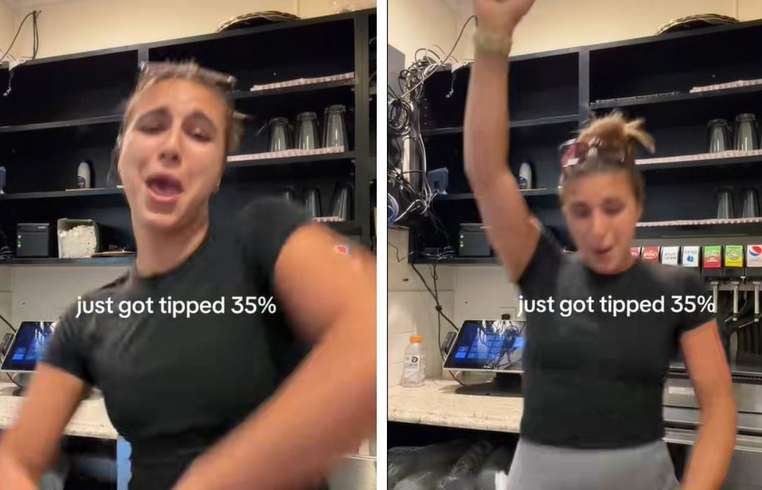
A TikTok video by @itsalliebrown has ignited widespread debate about America's tipping culture after showing a server dancing joyfully in response to a 35% tip. The video, amassing over 310,000 views, has sparked discussions on whether tipping has evolved into a form of hidden taxation rather than an act of gratitude. Comments reveal deep-seated disputes, drawing parallels to previous viral tipping incidents such as a meager tip left at Taverna Opa Orlando and a mandatory service charge at Burdell in Oakland. The comments diverge on who is responsible for fair compensation—businesses or patrons. While some argue tipping acts as social pressure, others maintain it is an essential supplement to the low base salaries of tipped workers, which can be as little as $3 per hour. One TikTok commenter emphasized that tipping is often perceived as an obligatory act to avoid backlash, hinting at tipping becoming 'mandatory' like a tax. There is noticeable disagreement, with some asserting that diners bear the responsibility to ensure servers are fairly compensated through generous tipping, typically citing a standard of 20-25% for acceptable service quality. Conversely, comparisons to international norms, such as those in Australia, highlight alternative perspectives where tipping is negligible due to livable wages—offering a stark contrast to the American model. The discourse fueled by @itsalliebrown's post reflects an ongoing cultural examination of the ethics and economics behind tipping and raises questions about structural reform in service industry pay models. The TikTok narrative has once again spotlighted the contentious and complex dynamics surrounding U.S. tipping practices.
About usyoo

Categories
Tags