News - Trump Encourages Iranian Uprising Amidst Mounting Tensions
Business Strategy
Trump Encourages Iranian Uprising Amidst Mounting Tensions
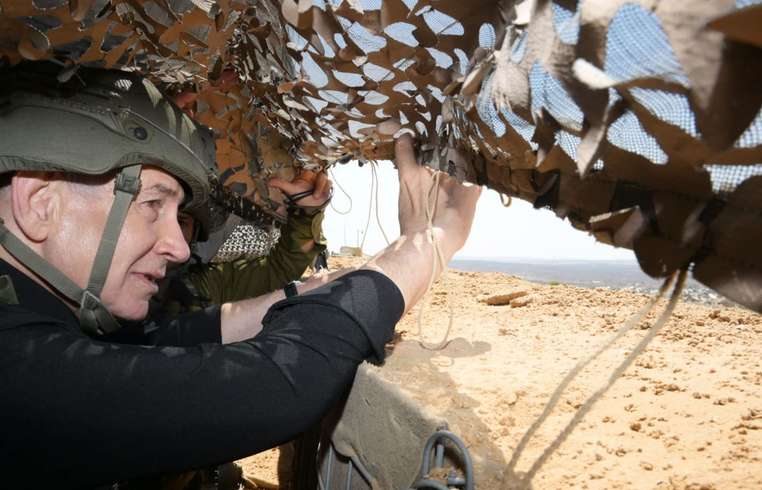
As tensions rise in the Middle East, Iran has launched another wave of missile and drone attacks, specifically targeting U.S. facilities in Kuwait. Despite these aggressive actions, President Trump is confident the conflict will not persist much longer. He has encouraged the citizens of Iran to challenge their Islamist rulers, suggesting that the regime is weakening and may soon collapse. President Trump emphasized America's involvement in Middle Eastern affairs as a defense against Iranian aggression, claiming that U.S. actions have prevented potential destruction. He indicated that without American intervention, Iran would have aggressively targeted Israel and posed further threats to Europe and the United States. Amid these developments, Israeli Prime Minister Benjamin Netanyahu has issued stern warnings to Iran. During an unexpected visit to Gaza, he vowed that the Israeli Defense Forces would maintain their position until Hamas is disarmed. Denouncing Iranian escalation as dangerous, Netanyahu insists that Israel's control of significant portions of Gaza will continue until the threat is neutralized. Recent Israeli operations have led to the capture of key Hamas figures, as special forces carry out decisive raids to dismantle terrorist networks. This indicates a steadfast commitment to removing threats to Israeli security. Even as the conflict strains international relations, U.N. Secretary-General António Guterres has called for an immediate return to diplomatic discourse between the U.S. and Iran. He insists that only through rigorous dialogue can a lasting peace be achieved. Meanwhile, strategic shifts are occurring regionally, with recent defense pacts forming between Turkey, Pakistan, Saudi Arabia, and now Israel and Greece, as nations adjust to the shifting geopolitical landscape.
About usyoo

Categories
Tags