
News - Increasing Conflict: Norway Seizes Russian Ship Amidst Rising Tensions
Business Strategy
Increasing Conflict: Norway Seizes Russian Ship Amidst Rising Tensions
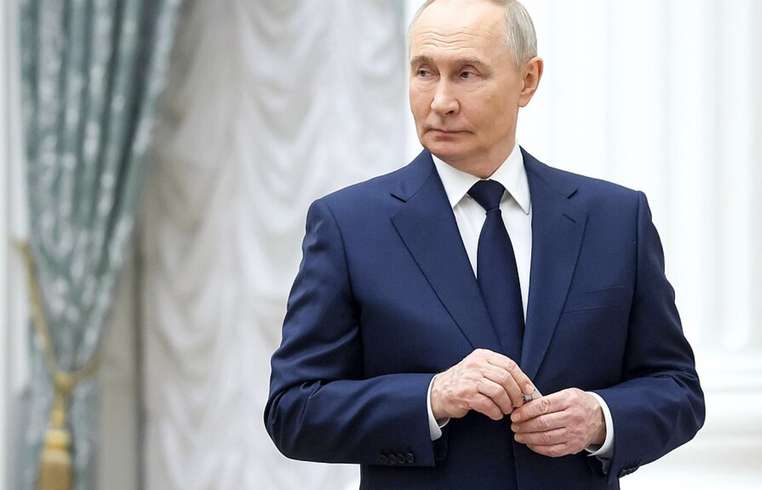
In a move signaling heightened tensions between Europe and Russia, Norway has seized a Russian research vessel, the Professor Molchanov, due to a compensation claim by Ukraine's Naftogaz. The claim stems from economic losses following Russia's annexation of Crimea in 2014, amounting to $4.22 billion. This incident has further exacerbated the fraught relationship between Moscow and European countries since the vessel seizure is perceived by Russia as an act of 'piracy.' The Norwegian Arctic archipelago of Svalbard became the focal point as Norwegian authorities announced oversight of the vessel’s crew and passengers alongside Trust Arktikugol. The development is part of Russia’s broader contention with Europe, with President Putin promising reciprocal actions to what he described as Western 'piracy.' Previously, a similar scenario unfolded when a Russian oil tanker was intercepted by the French Navy, supported by the UK, due to sanctions aimed at limiting Moscow’s financial abilities amid its prolonged conflict with Ukraine. French President Emmanuel Macron justified this interception as upholding international laws and sanction regimes. Further tension unfolded with Germany after Moscow closed German cultural institutions in retaliation to allegations of a Russian drone attack on Germany's Leipzig Airport. This comes against the backdrop of accusations that Russia persists in hybrid warfare strategies across Europe. EU leaders, demonstrating solidarity with Germany, convened to strategize potential escalations, contemplating additional sanctions and visa restrictions. European Union foreign policy chief Kaja Kallas expressed concern over Russia’s tactical maneuvers, referring to them as acts of state-sponsored terrorism and prompting discussions about Europe's leveraged sanctions and diplomatic responses. As diplomatic dialogues continue, it remains uncertain how these mounting pressures will influence future interactions on the international stage.
About usyoo

Categories
Tags