News - Germany and Russia in Diplomatic Showdown Over Drone Attack Allegations
Business Strategy
Germany and Russia in Diplomatic Showdown Over Drone Attack Allegations
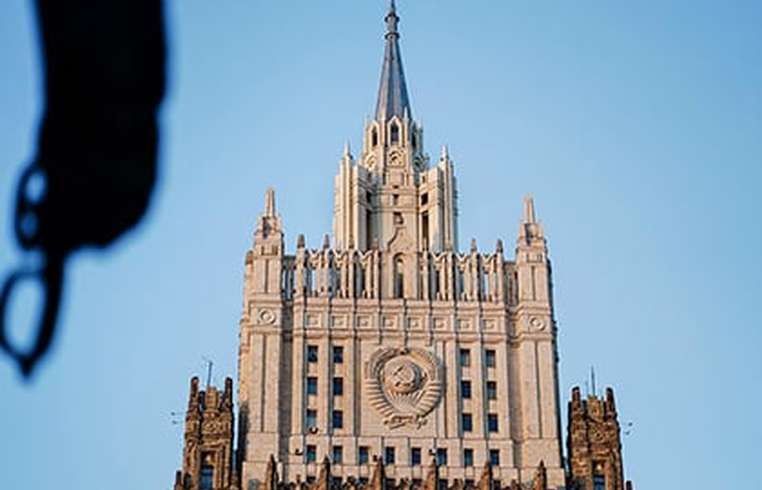
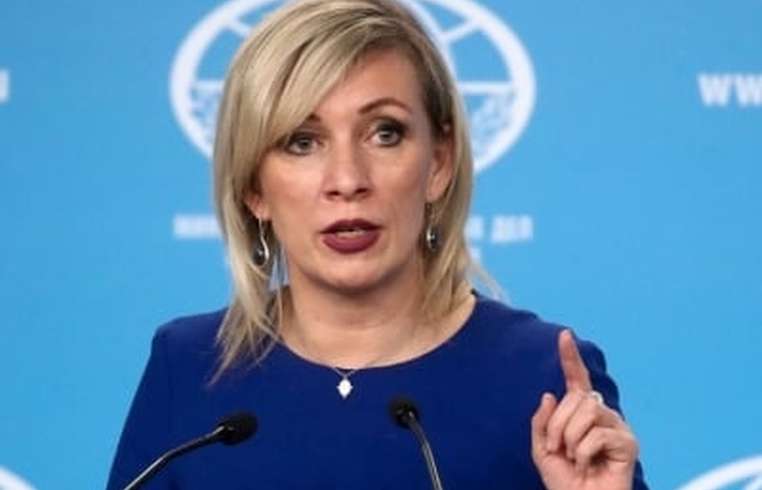
In an escalating diplomatic row, Russia has announced the closure of Germany's Goethe-Institut cultural centers across several Russian cities. This move comes in response to Germany's recent diplomatic measures taken after a suspected attempted drone attack at Leipzig Airport in August, which German authorities attributed to Russian operations. Russian Foreign Minister Sergei Lavrov stated that allowing the cultural centers to remain would equate to a lack of self-respect for Russia, emphasizing the end of Germany’s cultural influence in the country. This assertion signals a deepening in the cultural and diplomatic divide between the two nations. The friction has rippled across Europe, prompting NATO and EU leaders to rally in support of Germany. NATO Secretary General Mark Rutte acknowledged the evidence brought forth by Germany and endorsed the actions taken by Berlin, pledging continued resilience against similar threats throughout the alliance. Emphasizing the importance of unity, Rutte remarked, "Russia's attempts to intimidate and destabilize our collective stand with Ukraine are doomed to fail." Meanwhile, European Commission President Ursula von der Leyen reaffirmed the EU's solidarity with Germany, stating after discussions with Chancellor Fredrick Merz that the union stands resolute against Russian provocations. Von der Leyen insisted that Europe will continue to deter any adversaries seeking to destabilize regional security. The incident has reignited debates within Brussels about the appropriate response to hybrid threats like the purported attack on Leipzig Airport. Top EU officials, including foreign policy chief Kaja Kallas, have hinted at potential additional measures such as sanctions, visa restrictions, and the closure of more consular facilities. While strategies are being deliberated, the immediate repercussions underscore the intricate web of diplomatic and cultural ties that hang in the balance amid geopolitical tensions. As European leaders navigate these turbulent waters, the long-standing security cooperation and unity of EU members against perceived threats remain a paramount consideration.
About usyoo

Categories
Tags