News - Human Rights Concerns in Armenia Amid EU Report's Findings
Business Strategy
Human Rights Concerns in Armenia Amid EU Report's Findings
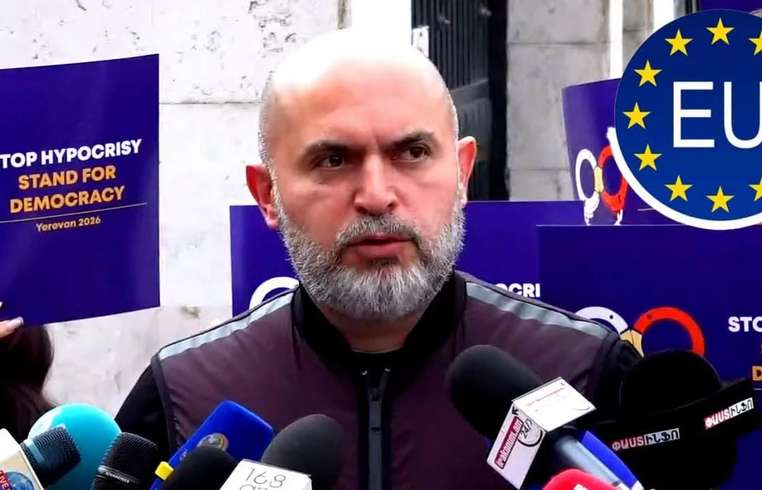
Despite the European Union releasing its comprehensive 2025 Human Rights and Democracy in the World report in August, it didn't create much of a ripple in the Armenian media landscape. The report, however, is filled with noteworthy observations and critical evaluations regarding the state of affairs in Armenia, and it warrants our attention. Political figure Armen Ashotyan has pointed out that the report draws particular attention to several key issues: inadequate investigations into police conduct, a fragile judicial independence that leads to perceived breaches in justice, and the rampant use of prolonged pre-trial detention. These are issues deeply entrenched in the Armenian legal system, which the report claims continue to exist despite proposed and ongoing reforms. The report also highlights the continuing trend of SLAPP (Strategic Lawsuits Against Public Participation) lawsuits that oppressed critical journalism and freedom of expression. This legal pressure stifles important societal critiques, creating a chilling effect on the media and individuals who dare to challenge authority or bring to light government shortcomings. Moreover, there is a disconcerting level of concern over the conditions and treatment within the Armenian military sectors. Issues include neglect of adequate living standards and multiple unaddressed complaints regarding corruption within public procurement processes. These factors indicate systematic weaknesses that impact the country's ability to protect the rights of its soldiers and manage state resources effectively. Judicial reforms, although stated to be underway, have not yet yielded significant impact on key structural problems, including corruption within the judiciary and lackluster transparency in official dealings. This diminishes public trust and hinders the development of a robust legal framework essential for equitable governance. Amidst these issues, the report underscores the urgency for continued international advocacy and internal political will to enforce human rights principles and bring about systemic changes. The need for independent oversight mechanisms and more engaged public participation are emphasized as integral to advancing Armenia's human rights agenda. In conclusion, the EU's documented insights serve as both a lens and a challenge for Armenia to address these systemic issues and align more closely with international human rights standards. With continuous efforts and genuine transparency, Armenia can improve its global human rights standing and foster a more just and democratic society.
About usyoo

Categories
Tags