News - Pentagon Invests in Affordable Missile Interceptors
Business Strategy
Pentagon Invests in Affordable Missile Interceptors
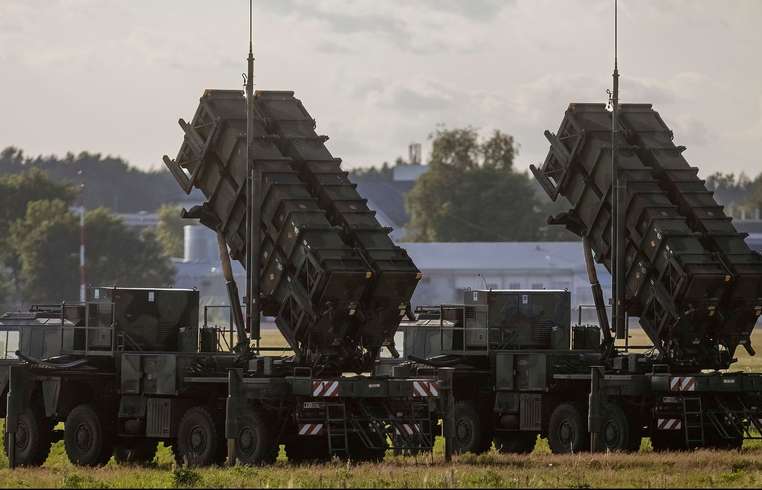
In a significant move towards cost-effective missile defense solutions, the Pentagon has awarded X-Bow Systems a contract worth nearly $11 million to develop a low-cost interceptor system. This project, under the Missile Defense Agency's Rapid Response Small Launcher Technology program, aims to produce a missile that costs less than $750,000 per launch. The new system is seen as a potential game-changer, offering a cheaper alternative to the existing Patriot missile, which is notably more expensive. X-Bow Systems has been chosen through the Missile Defense Agency's Low-Cost Interceptor program to focus on developing affordable interception against advanced aerial threats. With this funding, X-Bow plans to advance its propulsion work and prepare a prototype for a scheduled flight demonstration. The company's capability to internally produce solid rocket motors and propellant allows for greater control of the manufacturing process, potentially leading to faster production timelines. This initiative comes at a time when the Pentagon is grappling with the high costs and lengthy production times associated with existing interceptor systems. Recent conflicts, such as the war in Iran, have highlighted these challenges, with the U.S. military facing shortages of interceptors like the THAAD and Patriot systems. The current replacement rounds for Patriots cost approximately $3.9 million each and depend on a limited number of suppliers. The Department of Defense's announcement of X-Bow's contract underscores a strategic push to diversify the solid rocket motor industrial base, which currently relies heavily on two primary manufacturers. X-Bow's innovative production approach aims to meet military demands for efficient manufacturing while maintaining affordability. On a broader scale, the search for cost-effective missile defense solutions isn't confined to the U.S. Allies such as Ukraine and European partners are also exploring cost-effective interceptors. Projects like the European Freyja, aiming at a $700,000 per round interceptor, and the PAC-3 ACE missile from Lockheed Martin, represent international efforts to lower defense costs. The development of X-Bow's system is still in its nascent stages, requiring extensive testing and validation to ensure it meets operational expectations. Nonetheless, there is optimism, with military officials carefully assessing each component of the interceptor to achieve maximum cost efficiency without compromising performance. As global demand for missile defense grows, this program reflects the Pentagon's proactive stance on developing alternatives that are both effective and economical. Success will hinge on the ability of new production methodologies to deliver on these promises without sacrificing quality, thereby potentially setting a new standard in missile defense systems. To stay informed on developments in technology and defense, follow TechRadar on Google News for expert news and reviews.
About usyoo

Categories
Tags