

News - Clyburn Advocates for Expanding the Supreme Court
Business Strategy
Clyburn Advocates for Expanding the Supreme Court
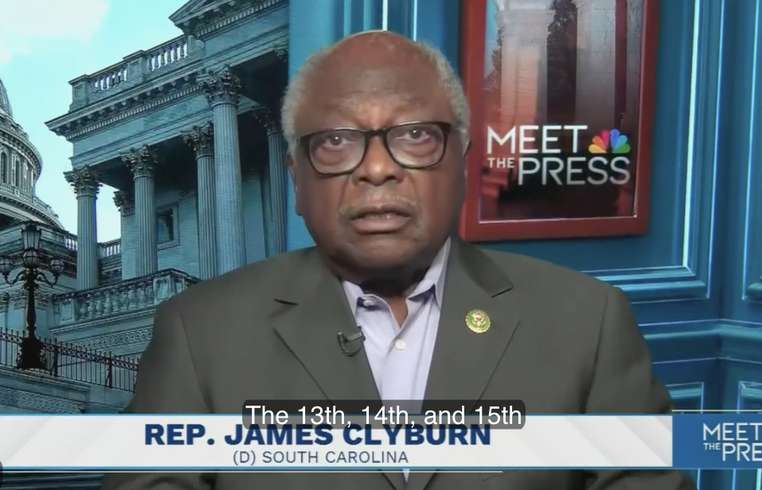
In a bold move, Rep. James Clyburn (D) of South Carolina has voiced support for expanding the United States Supreme Court by adding four new justices, raising the total to 13. Speaking on 'Meet the Press', Clyburn noted the historical alignment of the number of justices with the number of judicial circuits, suggesting that this alignment should once again be considered. 'Thirteen is a pretty good number,' Clyburn remarked, likening it to a 'baker's dozen.' His proposal is not just about the number but about instituting meaningful Court reform, which Democrats aim to position as a central party platform by 2029. The idea of increasing the number of justices is not new, but Clyburn's announcement is a significant signal of intent from Democratic leadership. This move underscores a strategic vision to challenge the current power dynamics within the Court, which some perceive as skewed. The plan to expand the Court represents a broader effort to address what many Democrats see as systemic issues within the judiciary, advocating for reforms that align with modern democratic principles. Critics of the idea suggest that advocating for such reforms might complicate future elections, notably the 2026 midterms, by fueling Republican counter-arguments. However, Clyburn and like-minded Democrats believe that these discussions are crucial in order to normalize the concept of reform and build grassroots support. The historical perspective reflects a time when the Court's size was adjusted alongside judicial circuits, a practice last seen in the 1800s. Reviving this tradition could address perceived imbalances and bring the judiciary closer to contemporary social and political realities. Despite the challenges, proponents argue that real change is only possible with open, public discussion and clear positions from legislators. Clyburn's call is especially noteworthy as he is among the first of the Democratic leadership to unequivocally endorse Court expansion. House Democratic leader Hakeem Jeffries has hinted at openness to reform, marking a shift in the party's formal stance. Yet, articulating specific plans marks the transition from vague support to actionable policy, setting the stage for potential judicial reforms that could shape American governance in the coming decades.
About usyoo

Categories
Tags