News - Global tensions are escalating due to Ukraine's energy crisis and concerns over European security.
Business Strategy
Global tensions are escalating due to Ukraine's energy crisis and concerns over European security.
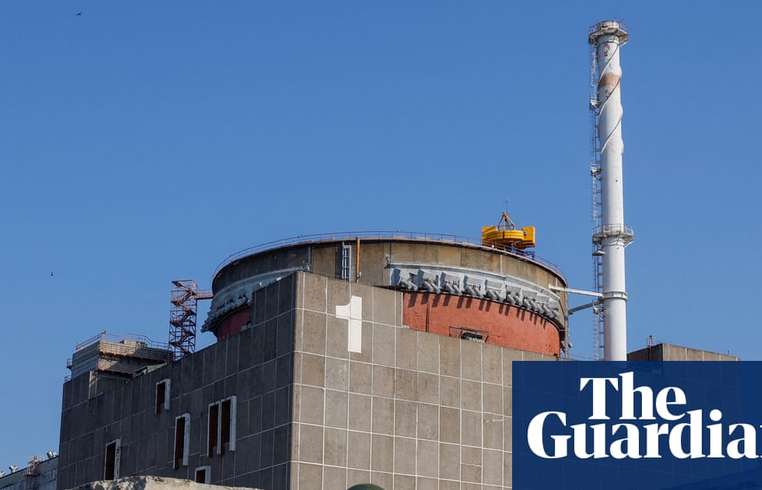
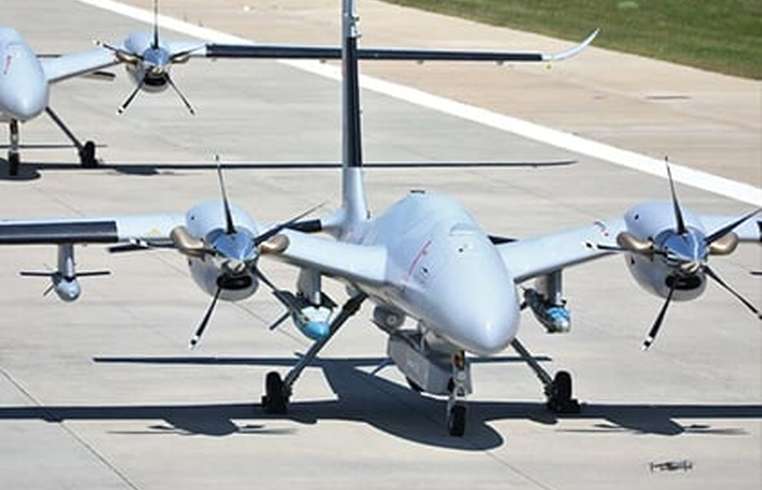
The ongoing conflict in Ukraine has intensified as the Zaporizhzhia nuclear plant faces a critical threat after losing its primary power source due to military operations close to the northern banks of the Dnipro River. The UN's International Atomic Energy Agency (IAEA) is attempting to broker a ceasefire to facilitate urgent repairs. Meanwhile, Germany prepares to respond forcefully to a recent attempted drone attack at Leipzig airport, allegedly linked to Russian entities. The German government, under Friedrich Merz, is reportedly poised to introduce a series of robust sanctions, potentially synchronizing with the European Union's broader regulatory measures. The recent escalation is underscored by a tragic incident in Myla, west of Kyiv, where a Russian assault on a military depot resulted in the loss of 37 lives. The attack accentuates ongoing security risks, with significant collateral damage affecting nearby civilian infrastructure, including homes and a care facility. Ukrainian President Volodymyr Zelenskyy addressed the nation, highlighting the peril of storing explosive materials in civilian areas. In a broader security context, Finland's President Alexander Stubb expressed skepticism about any imminent Russian offensives against NATO members. Stubb, affirming Finland's commitment to NATO post-2023 accession, articulated confidence in the alliance's deterrent power. He stressed that any aggression towards NATO would be strategically implausible for Russia, given the alliance's formidable military capabilities.
About usyoo

Categories
Tags