

News - FIA Introduces Engine Upgrades for F1 Parity
Business Strategy
FIA Introduces Engine Upgrades for F1 Parity
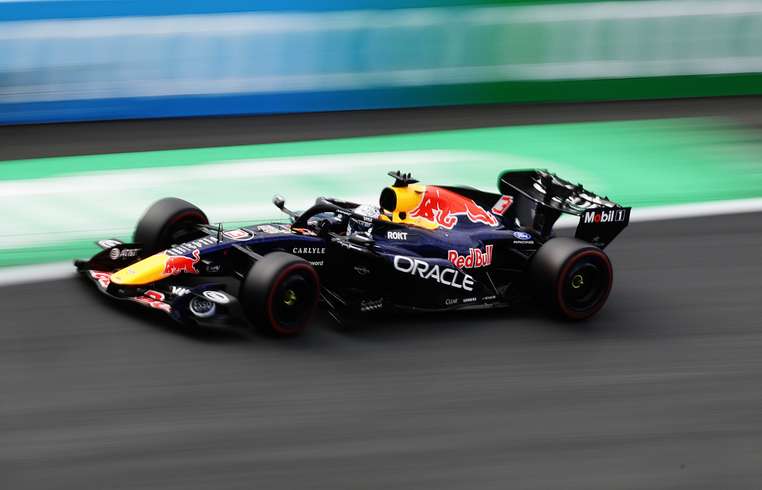
In a bid to maintain competitive balance within Formula 1, the FIA has unveiled a novel approach inspired by American sports leagues, utilizing mechanisms akin to draft parity. The new scheme, labeled Additional Development and Upgrade Opportunities (ADUO), aims to ensure that differences in power unit performance do not lead to any one team significantly outstripping the rest. Following the latest analyses, it was determined that Red Bull Racing's internal combustion engine (ICE) outperformed its competitors. As a result, the FIA has opted to grant special engine development allowances to rival teams in a move to level the playing field. The ADUO system is structured in a way that any team's power units that are lagging by 2% or more from the leading engine are eligible for an upgrade opportunity. In this case, Mercedes, Audi, Ferrari, and Honda all fall under this category, with varying levels of allowances based on the extent of their deficit. The FIA's aim with these adjustments is not only to bring closer competition but also to maintain interest and unpredictability within the sport amidst changing regulations. Since the commencement of this framework, and with recent evaluations completed after the 12th round at the Netherlands Grand Prix, the data indicated that while Mercedes initially struggled, the gap had not widened further by the second assessment at the 12th race. Consequently, no mid-season upgrades were dispersed during this period. This policy outlines a single opportunity for advancement each year, thereby ensuring teams remain reliant on strategic prowess alongside technical innovation throughout the season. Such measures are expected to add a dynamic edge to the remaining races on the F1 calendar, with fans eagerly anticipating how these adjustments might impact the standings as teams scramble to optimize their opportunities and close the gap.
About usyoo

Categories
Tags