
News - The tribunal date for the architect of 9/11 has been finalized for 2028.
Business Strategy
The tribunal date for the architect of 9/11 has been finalized for 2028.
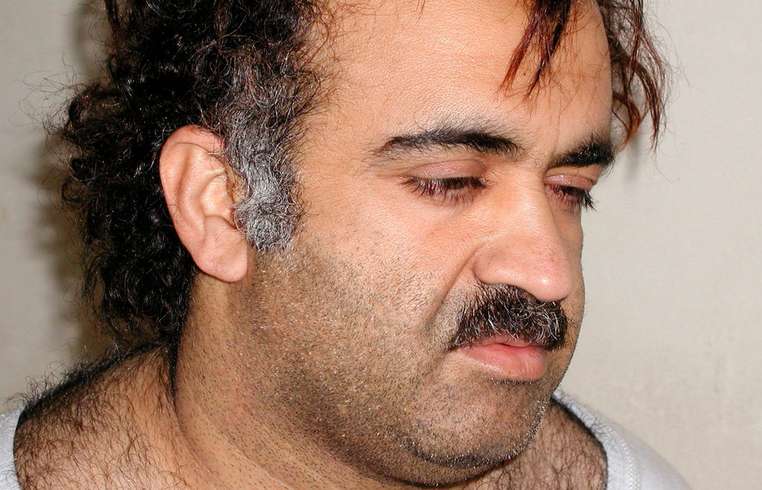
In a pivotal development within the protracted legal saga of Guantanamo detainees, a U.S. Air Force judge has slated the trial for Khalid Sheikh Mohammed—infamous as the orchestrator of the devastating September 11, 2001, attacks—along with three associates, to commence in June 2028. This move signals a crucial juncture in the two-decade-long legal challenges besetting their prosecution. Judge Michael Schrama's recent order underscores the intricacies of military justice as the case transitions to trial after numerous procedural hurdles. The trial will unfold within the confines of a military tribunal at the Guantanamo Bay detention facility, where Mohammed has been held since his capture. The groundwork involves the formation of a jury-like panel constituted by U.S. service members, tasked with weighing the evidence and deliberations according to military jurisprudence. Initial jury selections are slated, with opening arguments to be presented after the panel is established. The process follows an extensive timeline that accommodates for the presentation of the prosecution’s case, motions from the defense for potential acquittals, and counterarguments. Notably, the trial has experienced significant postponements, illustrating the complexities inherent in tackling high-profile terrorism cases under military jurisdiction. Delayed attempts to broker plea agreements ultimately dissolved under scrutiny from an appeals court, which reversed precedents allowing such deals. The trial’s proceedings begin with the examination of evidence supporting the accusation that Mohammed and his associates executed the catastrophic hijacking plot, which indelibly marked the beginning of the 21st century with staggering loss of life and global political reverberations. Opening statements are poised to take place a month subsequent to the panel's seating, ushering in a detailed examination phase led by the prosecution, followed by the defense's submissions. Both parties are granted the opportunity for argumentation and to challenge evidentiary stances while adhering to strict procedural frameworks. The culmination of the trial will center on a sentencing phase contingent upon the panel's findings. Judge Schrama dismissed the prosecution’s earlier intention to commence in early 2027, citing an inadequate timeframe for the resolution of substantial evidentiary motions and procedural issues that remain undetermined. This ruling reiterates the militarized and politically sensitive nature of proceedings at Guantanamo Bay, a facility established in 2002 amid the post-9/11 American military strategy aimed at countering global terrorism threats. Mohammed’s eminent status within the detention center is tethered to the gravity of his alleged crimes, notably orchestrating the deadly flight operations against national landmarks, including New York’s World Trade Center and the Pentagon. (Writing by Steve Gorman; Additional inputs from Jasper Ward; Edited by Saad Sayeed)
About usyoo

Categories
Tags