News - Kacey Musgraves faces backlash after advocating for migrant aid.
Business Strategy
Kacey Musgraves faces backlash after advocating for migrant aid.
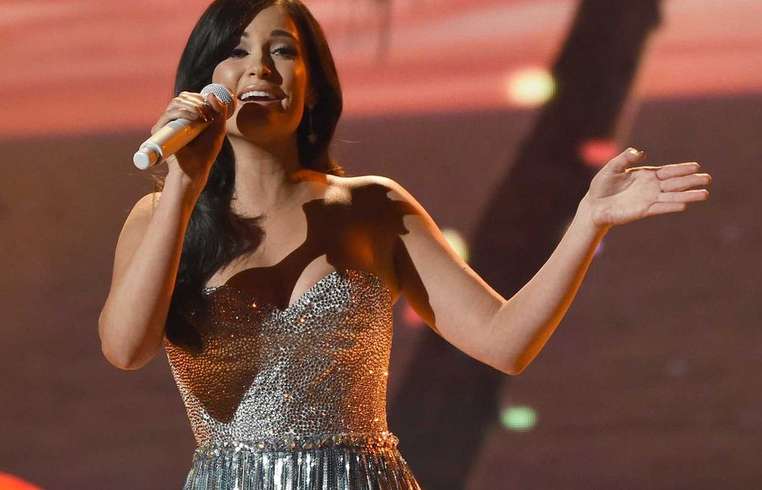
Kacey Musgraves, the Grammy-winning country artist known for her hits and outspoken nature, has recently sparked significant controversy. The complications arose during the kickoff of her latest tour, where she made an impassioned plea encouraging fans to support the Young Center for Immigrant Children’s Rights, a nonprofit organization providing legal assistance to the children of deported migrants. Musgraves, whose career has often included a mix of sharp social commentary and emotive storytelling, emphasized that her appeal was not politically driven, but rather focused on aiding children in dire need of support. Addressing a packed arena in Chicago, Musgraves stated, 'It’s a wonderful organization, and they help give aid—legal aid—and money to children whose parents have been deported unfairly,' underscoring her message with the belief that while not everyone may agree, her call was made with compassionate intent. Her appeal was met with enthusiastic applause within the venue, though this atmosphere of encouragement was punctuated by a smattering of boos and mixed reactions from the audience. The subsequent online response, however, was robust and polarizing. Detractors took to social media platforms to voice their opposition, with some labeling Musgraves as a supporter of illegal immigration. Calls for boycotting her music emerged swiftly. Critics argued that her focus should have been on aiding American citizens in need rather than those involved in illegal immigration. One especially vocal comment suggested, '[Musgraves] has just officially ended her career by asking for money for criminals who used their children as pawns to commit crime and stay in America illegally.' The outcry comes on the heels of a previous controversy in which a teenage mariachi band, previously detained by Immigration and Customs Enforcement, performed as an opening act for one of her concerts. This decision had already set tongues wagging and added fuel to the recent backlash. This situation draws a vivid dichotomy between Musgraves' artistic platform and her personal convictions, especially marked given her previous statements criticizing political figures and policies that affect marginalized communities. Despite the criticisms, Musgraves remains unfazed, forging ahead with her 'Middle of Nowhere' tour, which is set to visit major cities including New York, Pennsylvania, and Maryland. Remarkably, through this whirlwind of controversy, Musgraves continues to engage her audience not just through her music but by advocating for causes she believes in. Her story opens a broader discussion about the responsibilities of artists and the power of their voices in societal debates. As she continues her tour, the discussion of arts, activism, and audience reactions will undoubtedly follow closely in her shadow.
About usyoo

Categories
Tags