News - Are Ultra-Processed Foods a Threat: Unraveling Supermarkets' Deceptions
Business Strategy
Are Ultra-Processed Foods a Threat: Unraveling Supermarkets' Deceptions
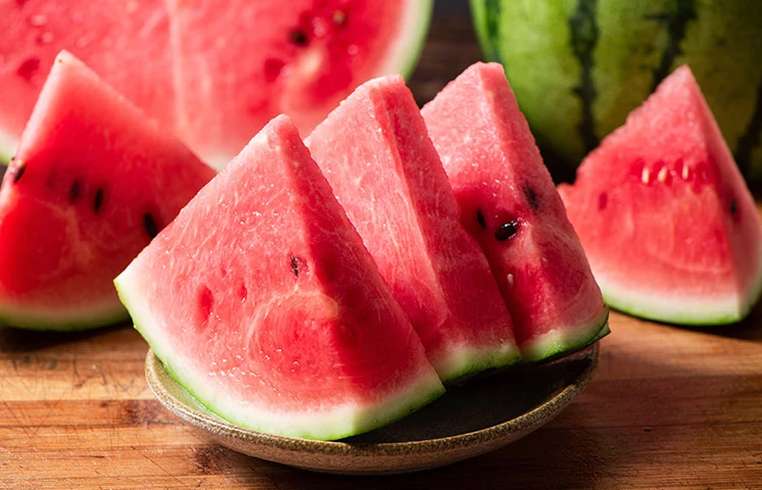
Amid growing consumer unease regarding supermarket discoveries, a new phenomenon is emerging. Shoppers are increasingly scrutinizing products in American supermarkets, particularly alarmed by viral social media reports of unusual food textures and compositions. Videos displaying rubbery fruits and stretchy cuts of meat have caught widespread attention, leading to a dialogue on the authenticity and safety of what we consume. NYP reports widespread skepticism toward grocery store offerings has introduced a consumer shift, with many now perusing ingredient lists and product origins more meticulously. Some consumers voice that foods in American markets have become excessively artificial, making meals that appear more synthetic and alarming than nutritious. However, experts suggest prudence instead of panic, attributing these unexpected textual properties often to scientific and harmless food processing techniques. They advise that while the concerns around processed foods should not be dismissed entirely, the phenomena depicted are often explained by legitimate food science. Data from the CDC indicates that ultra-processed foods constitute a large part of the American diet, significantly contributing to daily calorie consumption. This compels many to grapple with the implications of such dietary choices amidst health concerns and reinforces the urgency for nutritional education and consumer empowerment. Thus, consumers are urged to focus on a balanced approach to food intake, prioritizing whole, minimally processed foods where possible. Nutritionists advocate for a median path, encouraging individuals to remain informed about food choices without falling prey to misinformation or fear-driven dietary changes. The emerging narrative around today's food market is challenging previous conceptions of grocery shopping. It appears to cultivate a more watchful and data-driven consumer base, determined to unravel the mysteries of what lands on their dinner tables.
About usyoo

Categories
Tags