
News - Tesla's Robotaxi Progress: Beyond Fleet Numbers
Business Strategy
Tesla's Robotaxi Progress: Beyond Fleet Numbers
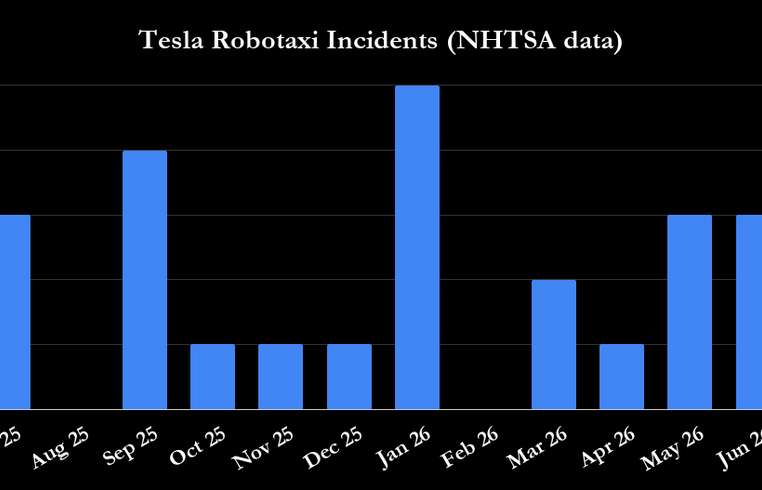
Amidst headlines highlighting delays in Tesla's robotaxi project, the underlying data tells a nuanced story of strategic focus and significant achievements. Critics may point to the mismatch between Elon Musk's ambitious timelines and actual rollout milestones, but the real measure of progress lies in software development and vehicle safety statistics. Navigating a New Rollout Strategy Contrary to the traditional focus on robotaxi fleet size and geographic deployment, Tesla has shifted its priorities to the enhancement of Full Self-Driving (FSD) software. With the impending release of version 15, the company aims to solidify its technology before broader deployment, a decision that reflects a commitment to long-term safety and reliability. Safety as a Priority Despite operational delays, Tesla's focus on safety is evident. Data from the National Highway Traffic Safety Administration (NHTSA) highlights that most incidents involving its autonomous systems were beyond the company's control. This reinforces Tesla’s narrative of steadily improving safety performance, with most mishaps resulting from external factors rather than technological failures. Anticipating v15 Release Investors are advised to look beyond immediate rollout metrics and instead monitor updates on FSD v15's development, which is anticipated by late this year or early 2027. This shift in narrative may reassure stakeholders about the potential for positive market adjustments as new software capabilities demonstrate Tesla's technological advancements. Conclusion While the current pace may not match early projections, the data intricately chronicles Tesla's dedication to building a robust autonomous future. For insightful investors, the emphasis on v15 and demonstrable safety gains may serve as convincing indicators of what lies ahead for Tesla's robotaxi aspirations.
About usyoo

Categories
Tags