

News - Unveiling the Arctic's 'Zero Curtain' Phenomenon
Business Strategy
Unveiling the Arctic's 'Zero Curtain' Phenomenon
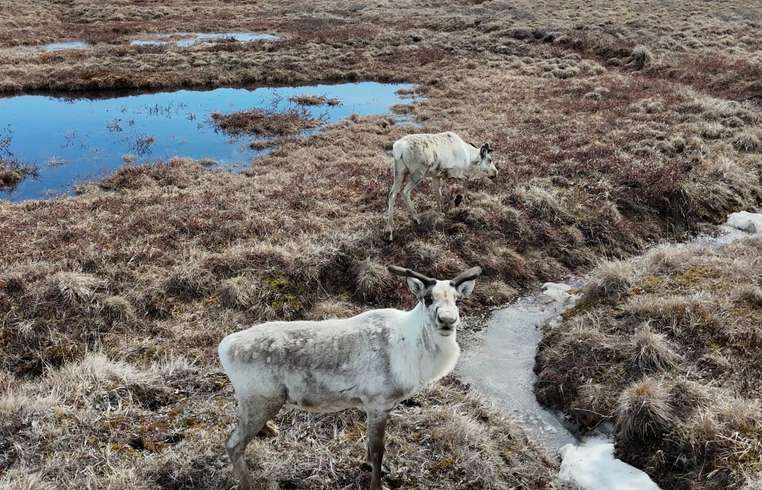
A recent study by NASA scientists has unveiled detailed observations of the 'zero curtain' phenomenon—a unique climate occurrence in the Arctic wherein the ground remains near freezing even as autumn begins and during spring thaw. This happens due to latent heat processes in the muskeg where frozen water melts and creates a buffering effect that hinders temperature changes. The conservational significance of this period lies in its impacts on soil microorganisms, which maintain their activity longer than expected, continuing to produce greenhouse gases like carbon dioxide and methane well into the season. This phenomenon, lasting longer in recent decades, poses significant ramifications for ecological dynamics and climatic transformations. By leveraging advanced technologies like GeoCryoAI, which amalgamates satellite imagery with sophisticated climate models, researchers have produced intricate maps that detail the patterns and durations of the zero curtain effect across varied Arctic terrains. The data accumulated through these mappings have highlighted the extended duration of near-freezing conditions each spring, suggesting that climatic changes might be intensifying this impact. These revelations underline the importance of satellite monitoring in understanding and mitigating the complex effects of climate change. The beginning of this effort included using the synergy of NASA and the Indian Space Research Organisation's NISAR satellite data, which grants researchers real-time, precise earth surface observations. As these observations continue and refine, they will play a crucial role in gauging the trajectory of Arctic warming and its broader implications on global climatic conditions.
About usyoo

Categories
Tags