News - Different species endure the severe Arctic climate.
Business Strategy
Different species endure the severe Arctic climate.
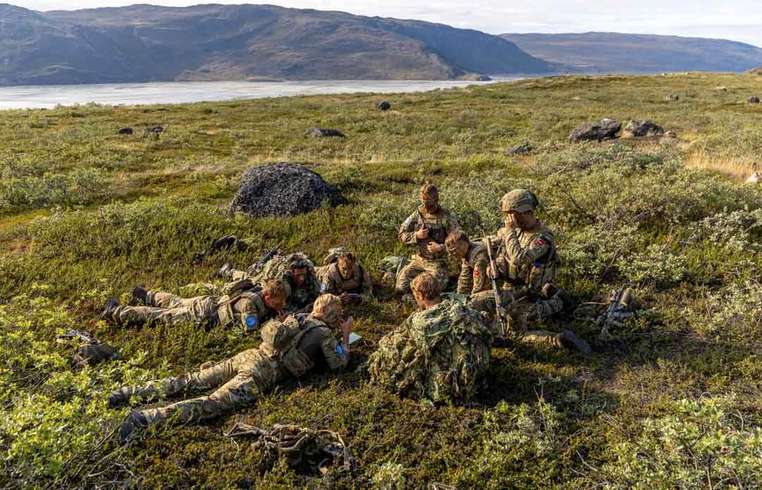
In the frigid expanses of Greenland, a testament to nature's resilience is unfolding. The diverse range of species inhabiting this icy domain shows an astonishing adaptability to the harsh climates and ecological changes. Greenland's Arctic Endurance expedition has unveiled fascinating insights into how flora and fauna manage to thrive in such a hostile environment. Amidst the stark and relentless conditions, researchers have discovered that at least 11 species demonstrate a remarkable capacity to endure Greenland's unforgiving winters. This ecological exploration, conducted by a dedicated team from the Arctic Endurance initiative, reveals the ingenuity of both plant and animal life forms in coping with extreme sub-zero temperatures and biting winds. The expedition was spearheaded by veteran ecologists and biologists with a singular mission: to understand the survival mechanisms of these resilient species. Their findings shed light on the evolutionary strategies adopted over millennia, enabling these organisms to flourish where others might falter. Key species studied included the Arctic fox, the polar bear, and various types of mosses and lichens, each possessing unique adaptations like thermal insulation, fat layers, and antifreeze proteins. Given the escalating global temperature shifts, this research garners substantial attention, especially regarding climate change's impact on polar regions. Project leaders anticipate that understanding these natural adaptations could inspire technological innovations aimed at mitigating climate challenges worldwide. Despite the isolated terrain, data collected from the study is being integrated into climate models, providing critical insights into the potential futures of more temperate regions currently threatened by the effects of global warming. Looking forward, the Arctic Endurance team plans to extend the study range to include the Antarctic, aiming to draw parallels between the polar opposites when it comes to survival strategies. In conclusion, the Greenland expedition not only illuminates the resilient spirit of Arctic life but also underscores the pressing need for comprehensive climate change research. This initiative exemplifies a crucial environmental endeavor, one that promises to deepen our understanding of how life persists against all odds and how we might learn to preserve it.
About usyoo

Categories
Tags