News - Discovery of Ancient Obsidian Artifacts in Turkey
Business Strategy
Discovery of Ancient Obsidian Artifacts in Turkey
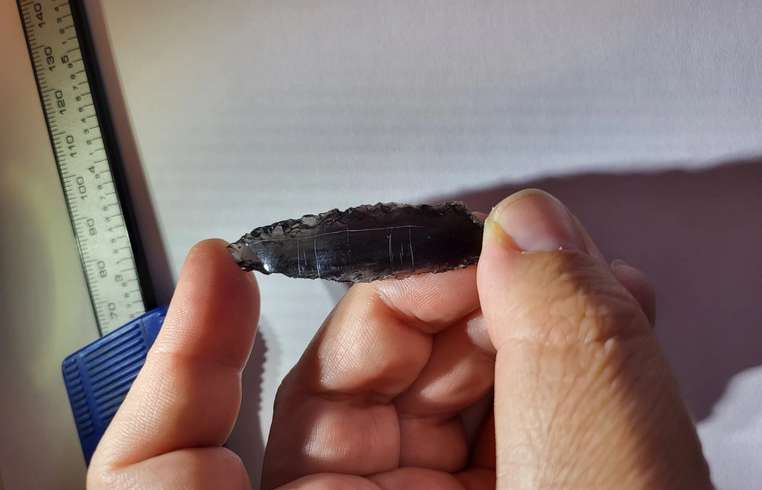
In a remarkable find, archaeologists have uncovered 11 unique Neolithic obsidian arrowheads in Central Turkey featuring mysterious engravings, dating back about 9,000 years. These arrowheads, discovered in the ancient site of Tepecik-Çiftlik in Cappadocia, expand the assemblage to 54 artifacts with intricate patterns. The detailed carvings, unusual among findings of this era, have prompted a comprehensive study into their potential meanings. Although their exact significance remains a mystery, theories suggest they could have held decorative or ceremonial roles. Each piece was carefully crafted using specified tools to achieve such precision, indicative of intentional design and considerable skill. This discovery provides a glimpse into the craftsmanship and symbolic culture of early settlers in the region and opens the door to more questions about the rituals and societies of the Neolithic age. The findings have been documented in a study published in the academic journal PLOS One, sparking interest in further excavation and scholarly analysis.
About usyoo

Categories
Tags