
News - US and Kuwait Strengthen Military Ties with New Agreements
Business Strategy
US and Kuwait Strengthen Military Ties with New Agreements
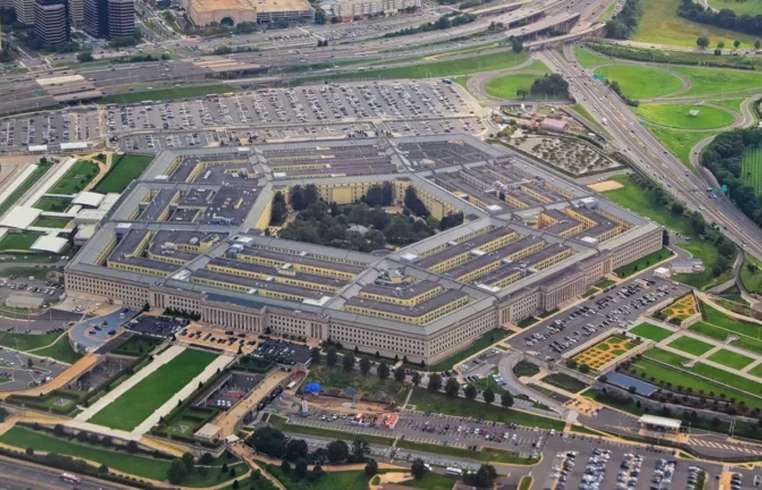
In a significant move to bolster regional security and stability, the United States and Kuwait have announced a collaborative effort to enhance their military partnership. This new agreement, emerging from the recent 16th US-Kuwait Joint Military Commission meeting held at the Pentagon, aims to address pressing security challenges in the Middle East. The high-profile discussions, attended by US Assistant Secretary of Defense for International Security Affairs, Mike Dimino, and Kuwaiti Chief of Staff Gen. Khaled al-Sahyan, concluded with a commitment to advance their joint military capabilities. Key focus areas include counter-drone strategies, integrated air and missile defense systems, and maritime security enhancements. These deliberations mark a strategic milestone in US-Kuwait relations, as they seek to construct a comprehensive framework to contend with evolving threats in the region. The meeting addressed the necessity of a unified response to drone threats, a matter of growing concern due to the increasing use of unmanned aerial systems in conflict zones. A significant aspect of this partnership is the development of shared operational standards and training programs. Both nations plan to conduct joint exercises aimed at improving interoperability and response times. Additionally, upcoming arms deals are anticipated to support Kuwait's defense modernization efforts, ensuring that their military infrastructure is robust against potential aggressors. Moreover, a focal point of the agreement includes enhanced cooperation with the Maryland National Guard, fostering personnel exchanges and joint drilling exercises aimed at bolstering defense readiness and crisis management capabilities. The renewed partnership underscores the strategic importance of stability in the Gulf region, where geopolitical complexities require multifaceted military and diplomatic solutions. By strengthening their defense ties, the US and Kuwait aim to not only protect their respective national interests but also contribute substantially to regional and global security frameworks. Looking forward, the implementation of these agreements will involve detailed negotiations to specify the equipment and technology exchanges, training programmes, and logistical support, reflecting a dynamic and responsive alliance designed to meet contemporary security challenges head-on.
About usyoo

Categories
Tags