News - Former official calls on Trump to end conflict with Iran and withdraw troops.
Business Strategy
Former official calls on Trump to end conflict with Iran and withdraw troops.
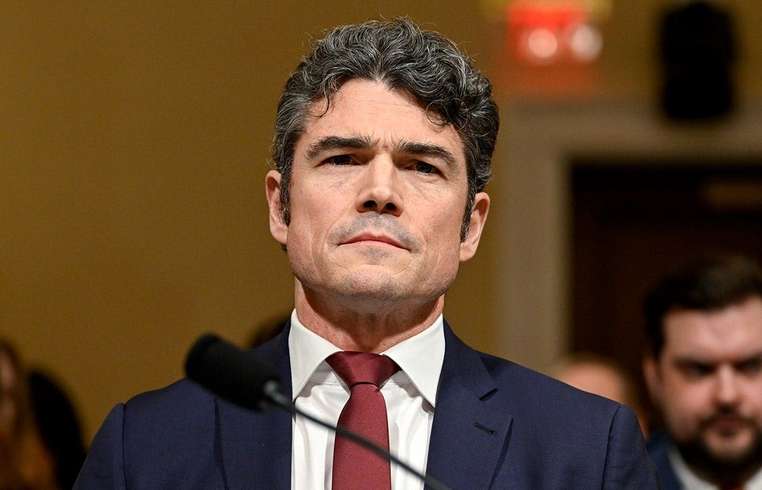
In a recent interview with Fox News Digital, Joe Kent, former National Counterterrorism Center Director, called for President Donald Trump to cease U.S. military involvement in the Middle East, specifically advocating against the ongoing conflict with Iran. Kent, who resigned earlier this year in protest of the Iran war, expresses grave concerns over the U.S.'s strategic interests in the region. A military veteran with personal losses from war, Kent insists that the prolonged engagement serves more as a reactive measure than a necessary strategic operation. He believes that both Republicans and Democrats support unnecessary foreign wars, urging for a bipartisan political shift to reflect American public sentiment against such prolonged engagements. Kent argues that U.S. bases are exploited as provocations for adversaries like Iran to justify aggression towards American forces, thus questioning their strategic value. Highlighting Israel's influence in U.S. policy decisions, he critiques the narrative that dominates current geopolitical strategies. President Trump, Kent argues, retains the political ability to retract troops, potentially framing it as a strategic pause rather than retreat. He calls on citizens to demand policy changes from their representatives. Amid heightened tensions bolstered by a naval blockade against Iran, White House spokesman Davis Ingle dismissed Kent's stance, labeling his perspective as misinformed. Nonetheless, Kent envisions a political movement addressing public dissatisfaction over continuous foreign military endeavors, which he describes as burdensome to the U.S. economy and domestic welfare. While Kent has no ambitions for political office, he seeks to foster an American political coalition that challenges the bipartisan consensus on foreign policy and addresses the domestic priorities neglected by ongoing foreign conflicts. Part of his critique includes scrutinizing military aid, particularly towards strategic allies such as Israel, emphasizing the need for assurances that such partnerships genuinely align with U.S. security interests and fiscal responsibility amidst economic challenges.
About usyoo

Categories
Tags