News - Leadership Shake-Up at Hasbro Stirs Gaming Community
Business Strategy
Leadership Shake-Up at Hasbro Stirs Gaming Community
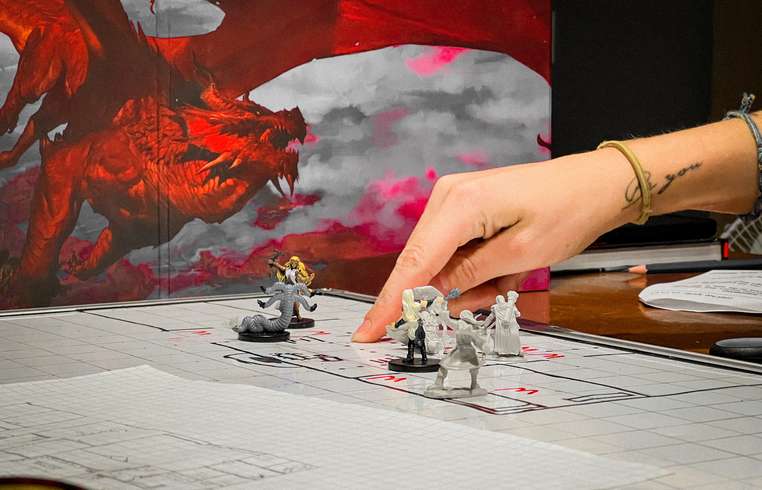
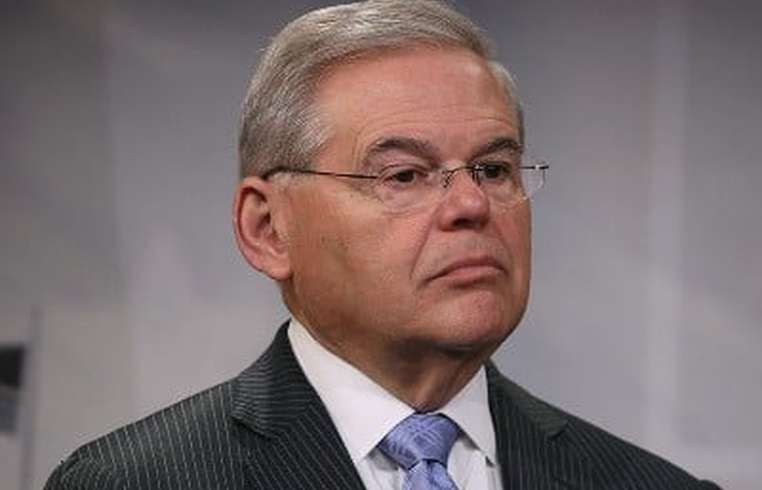
In a whirlwind of corporate movements and video game developments, Hasbro stands center stage in the gaming sector. The company, renowned for classic brands like Monopoly and Nerf, recently disclosed a successful Q2 with a 16% sales jump to $1.1 billion, thanks largely to its powerhouse division, Wizards of the Coast (WotC). This segment, which includes iconic names like Dungeons & Dragons (D&D) and Magic: The Gathering (MTG), recorded a striking 27% uptick in sales. MTG contributed half-a-billion dollars in quarterly revenue, underpinning the company's broader success. However, this wave of success accompanies a notable leadership change: John Hight, Wizards of the Coast's President and a key figure behind Hasbro's resurgent profitability, will vacate his post by the beginning of September. Hight's strategic direction was instrumental in flipping Hasbro's fortunes from a previous net loss to a commendable profit, despite the financial setback of a $56 million impairment charge tied to the discontinuation of several future video games. Amidst speculation, it's suggested Hight's exit relates to these game cancellations. The gaming community speculates on potential disruption to Hasbro's triumphant trajectory, yet the firm remains focused on new initiatives. These include ambitious crossover projects involving D&D with World of Warcraft and Star Wars, alongside resurrecting favored universes like 'Dark Sun'. The impending departure of Hight casts a shadow of uncertainty, but Hasbro remains poised to harness the momentum, driven by collaborations and innovative expansions. With a robust track record of pulling through fiscal challenges, Hasbro's strategic direction now underpins its growth aspirations, balancing between nostalgia and next-generation gaming trends. In light of recent success and competitive values, analysts remain optimistic about Hasbro's potential. The market waits to see if future ventures align with historical successes, yet the company’s strategic maneuvers, coupled with lucrative intellectual property, suggest continuity in leadership will not hinder progress.
About usyoo

Categories
Tags