News - Poland Prevents Russian-Supported Assassination Attempt in NATO Territory
Business Strategy
Poland Prevents Russian-Supported Assassination Attempt in NATO Territory
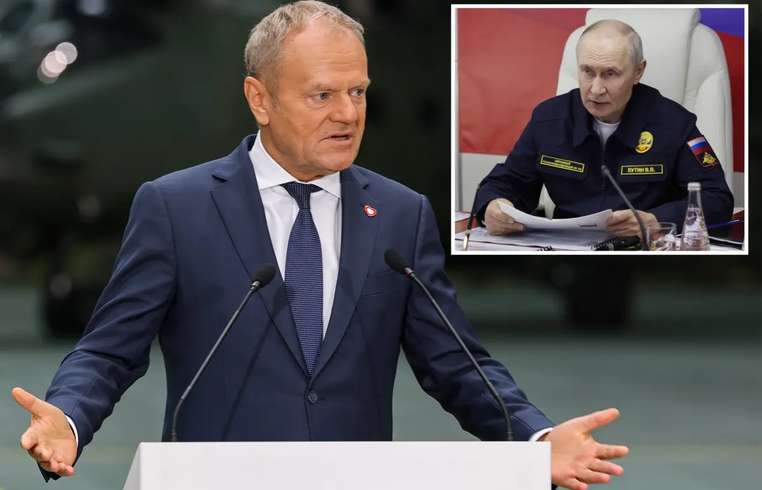
In a landmark security operation, Polish authorities have intercepted an alleged Russian-backed scheme to assassinate a Ukrainian American citizen on NATO soil, marking a first in Moscow's alleged attempts to target US citizens abroad. The suspect, believed to have ties to Russian secret services, was arrested on August 7, as confirmed by Prime Minister Donald Tusk. The plot, intended to eliminate an individual reportedly inconvenient to the Russian regime, signals an unsettling escalation in a series of targeted killings believed to be orchestrated or supported by Russia since the 2022 invasion of Ukraine. This unprecedented case has been dubbed by Tusk as a stark example of the aggressive measures employed by Moscow against its perceived adversaries within NATO member states. It reinforces a troubling trend highlighted by Western officials of Russia's intensified and brazen targeting of Russian activists, foreign allies of Ukraine, and military defectors across Europe. With Western nations identifying over 200 related incidents, the Polish plot is viewed as part of a broader strategy to destabilize Ukraine's allies. Notably, the operation involved close cooperation with US intelligence agencies, as stated by Tomasz Siemoniak, the Polish minister in charge of intelligence services. The intended victim, reportedly a US citizen of Ukrainian origin, has not been publicly named, and further details remain undisclosed. Expressing concerns about such threats, Tusk emphasized the necessity of global vigilance against attempts by Russian operatives to execute those seen as inconvenient by the Kremlin. With a history of targeted poisonings and assassinations attributed to Russian entities, the threat to Western security has been recurrent. From the notorious 2006 murder of ex-FSB officer Alexander Litvinenko in London to the Skripal poisoning in 2018, and other instances across Europe—these are parts of an unsettling pattern. In response to these threats, Western regions have disrupted multiple assassination plots. French authorities thwarted a plan against a Russian exile aiding military defectors, while Lithuanian and German officials derailed schemes poised against pro-Ukrainian figures and defense experts aiding Ukraine. Meanwhile, Moscow continues to deny involvement in acts of sabotage and political violence, including a recent mysterious death of a Russian artist in Poland under suspicious circumstances. This incident signals an alarming chapter in Europe's security landscape, as NATO nations brace for further attempts by Kremlin-backed entities to uproot those opposing Russian agendas. Western governments remain skeptical of Russia's denials, urging continuous preparedness and collaborative intelligence efforts to pre-empt potential threats.
About usyoo

Categories
Tags