News - Invasive crayfish are threatening U.S. lakes and ecosystems.
Business Strategy
Invasive crayfish are threatening U.S. lakes and ecosystems.
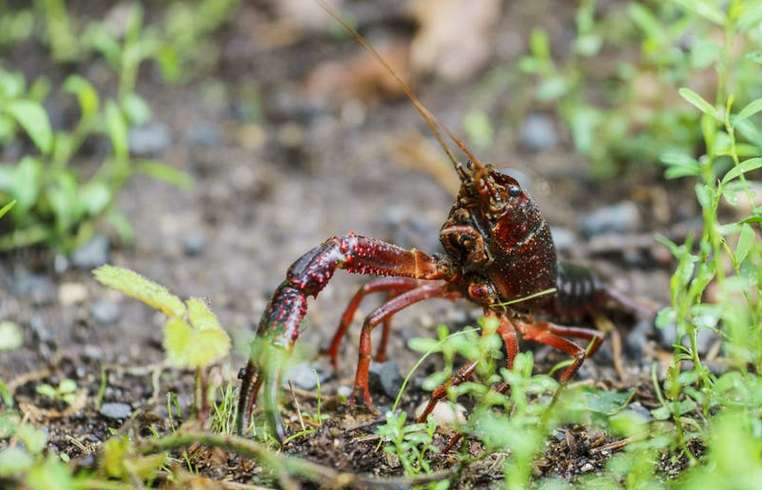
As we celebrate the final days of summer at lakes across the United States, beneath the tranquil waters exists a growing challenge: the surge of invasive crayfish populations. Known colloquially as crawfish, these crustaceans are quietly reshaping aquatic ecosystems. Highly destructive, invasive crayfish species like the signal and rusty crayfish are spreading rapidly. In Lake Tahoe, the signal crayfish population has exploded from an estimated 56 million in the 1960s to a staggering 240-280 million today. The presence of these crayfish is a looming threat to native species and vegetation, disturbing the balance of marine life by acting as predators, herbivores, and competitors, and disrupting physical habitats of the lakes. Invasive crayfish have been reported in other major water bodies such as Lake of the Woods, Crater Lake, Lake Mead, and Lake Michigan. Though these species are originally native to some parts of the U.S., when they enter new territories through processes like illegal dumping of aquatic bio-life and use as bait, they become detrimental. Originally introduced as food sources, their role in the ecosystem shifted drastically as they compete with and outcompete native species, and largely consume crucial aquatic vegetation. Efforts by lawmakers and wildlife agencies to control and mitigate their impact are underway, with measures like restricting possession and transport of these crayfish and regulating their use in fishing activities. Despite these efforts, completely eradicating populations once they have established themselves remains an immense challenge, leading experts to focus heavily on prevention strategies and population control within affected areas.
About usyoo

Categories
Tags