
News - Escalation Looms: Zelenskyy Warns of Russian Mobilization
Business Strategy
Escalation Looms: Zelenskyy Warns of Russian Mobilization
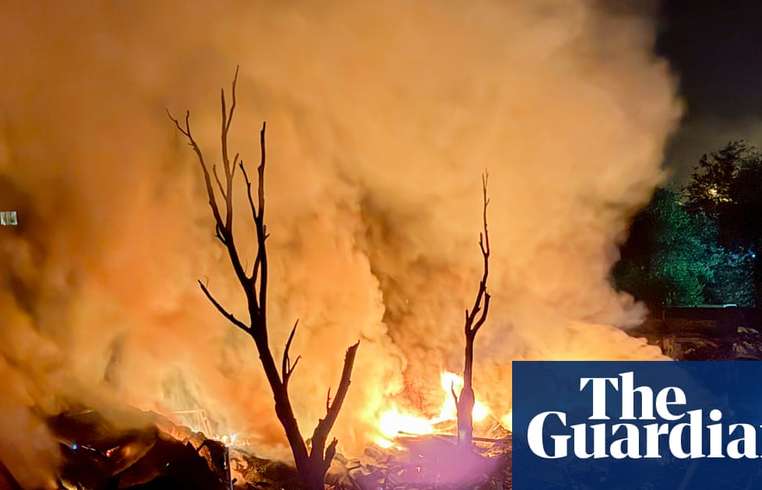
In a series of significant developments in the ongoing conflict, Ukrainian President Volodymyr Zelenskyy has accused Russia of launching a deadly attack on the city of Zaporizhzhia using ballistic missiles supplied by North Korea. The assault resulted in the deaths of seven workers at the local Metinvest steel plant and left 21 others injured. Russian forces also targeted the central Dnipropetrovsk region with drones and artillery, killing three civilians, including a 15-year-old boy. Ukrainian military personnel retaliated by striking an oil refinery in Russia's Orenburg region, igniting a fire. Meanwhile, Romanian naval forces destroyed two suspected Russian drones in the Black Sea. Zelenskyy has warned that Russia appears poised to exploit an opportunity resulting from Ukraine's critical shortage of Patriot air defense interceptors, preparing for a potential escalation. He highlighted intelligence reports suggesting a new recruitment drive for Russian troops, coinciding with pseudo-elections set for September. These actions seem aimed at garnering domestic support for their aggressive front-line push, utilizing reservists and conscripts. In other developments, Zelenskyy revealed that Ukraine had proposed a plan to U.S. negotiators for ending the war. However, analysts from the Institute for the Study of War caution that meaningful negotiations are unlikely as long as Russian President Vladimir Putin maintains ambitions for achieving full objectives. The UN continues to report concerning detention and mistreatment of over 16,000 civilians by Russian forces, amidst accusations of widespread torture and sexual violence. As the situation remains tense, Kyiv braces for a protracted battle, fueled by increased Russian military production and equipment from North Korea. These developments paint a grim picture of the conflict's future trajectory, with both parties making strategic calculations amidst international diplomatic efforts to mediate an end to the violence.
About usyoo

Categories
Tags