News - Trump Hints at Possible 'National Security Emergency' for Election Changes
Business Strategy
Trump Hints at Possible 'National Security Emergency' for Election Changes
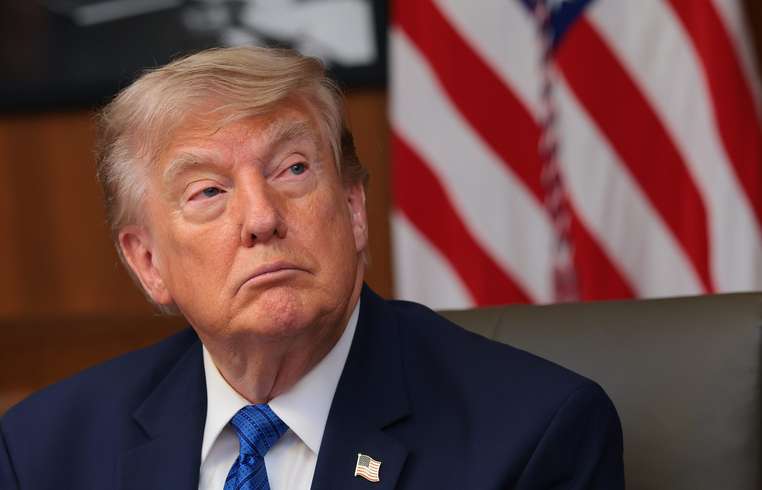
In a provocative move, former President Donald Trump did not outright dismiss a suggestion from Wayne Allyn Root, a right-wing talk show host, to declare a 'national security emergency' that could alter the landscape of the 2026 midterm elections. This suggestion, floated during an appearance on Real America's Voice, raises significant legal and constitutional questions. Root proposed that, to bypass legislative delays and opposition, Trump could declare such an emergency to implement stricter voter ID laws, proof of citizenship requirements, and limit mail-in ballots. Trump's response, "Let me just say that stranger things have happened," implies he is keeping his options open. The discussion comes in the wake of ongoing debates over election security and integrity, topics that have been contentious since Trump's loss in the 2020 presidential race. Legal experts have highlighted that the US Constitution does not provision the president with the unilateral power to declare such emergencies for changing election laws. Previously, attempts to alter election procedures via executive orders have been blocked in courts, such as Trump's instruction for the United States Postal Service to withhold ballots from states not sharing voter lists with the federal government. Despite these legal constraints, some fear Trump might still attempt to exert influence over the electoral process. The proposal and the president's non-committal stance on it have stirred concerns among political observers and legal analysts. Prominent commentators, like CNN's Jake Tapper and criminal defense attorney Scott Greenfield, warn against dismissing Trump's intentions, given his history of challenging norms and legal boundaries. Furthermore, criticisms have been leveled at both Trump and Root, questioning their understanding and respect for legal frameworks governing elections. This controversy adds another layer to Trump's legacy of challenging electoral norms, which previously included contesting the 2020 election results and the subsequent events leading to the January 6 Capitol riot. His ongoing influence and actions continue to be a source of debate and concern as the nation approaches another critical electoral period.
About usyoo

Categories
Tags