News - Royce White Questions WNBA's Gender Eligibility Rules
Business Strategy
Royce White Questions WNBA's Gender Eligibility Rules
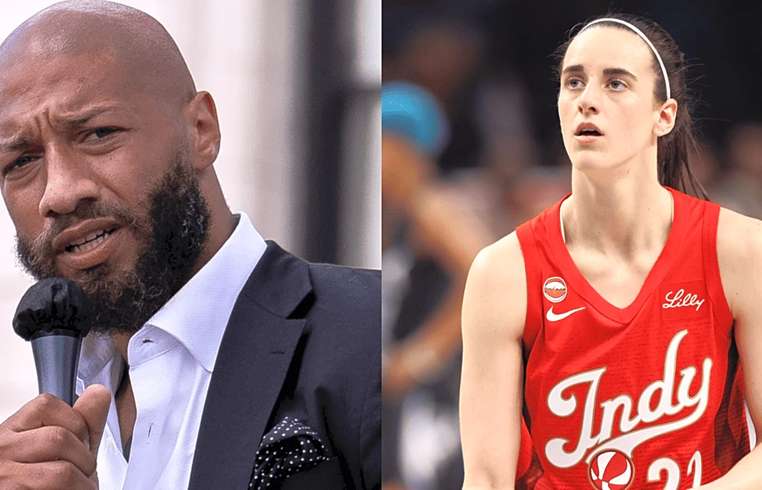
In a bold move that has ignited debates across the sports community, Royce White has publicly challenged the WNBA’s eligibility standards by asserting his right to enter the draft. His comments arrive amidst ongoing discussions about gender inclusivity in professional sports, fueled further by Indiana Fever guard Sophie Cunningham's controversial statements about locker room safety for young girls against competing with biological men. White's call for fairness highlights a gap in the WNBA’s collective bargaining agreement, which currently reserves eligibility for women without detailing provisions for transgender or intersex athletes. White’s basketball skills are notable, with a storied college career at Iowa State where he led his team in multiple statistics, an achievement unmatched by any other Division I player at the time. Despite his talent, his transition into the NBA was brief and fraught with challenges, with minimal playtime and negligible impact. However, his potential entry into the WNBA draft is less about his statistics and more about pushing boundaries within the league's existing policy framework. Article XIII of the WNBA's collective bargaining agreement is clear that only women are eligible for play, though it stops short of defining what constitutes 'female’ eligibility, thus creating a conundrum for athletes like White. WNBA Commissioner Cathy Engelbert has promised continued dialogue with the players' union to address these discrepancies in light of the increasing attention and societal calls for inclusivity. The league’s players’ association has taken a nuanced stance, emphasizing their role to protect the diversity of experiences and rejecting external political manipulation. Some league figures, like Minnesota Lynx coach Cheryl Reeve, have expressed support for transgender athletes, echoing White’s sentiments that suggest preferences for more accepting environments. White's public declarations, coupled with references to notable athletes such as Iowa's Caitlin Clark, aim to keep these issues in the spotlight, gradually making it harder for the WNBA to sidestep setting more inclusive standards. Nonetheless, whether White’s bid will prompt actual change or remain a symbolic gesture in the broader discourse on gender remains to be seen.
About usyoo

Categories
Tags