News - Tennessee Upset: Trump-Backed Andy Ogles Loses to Newcomer
Business Strategy
Tennessee Upset: Trump-Backed Andy Ogles Loses to Newcomer
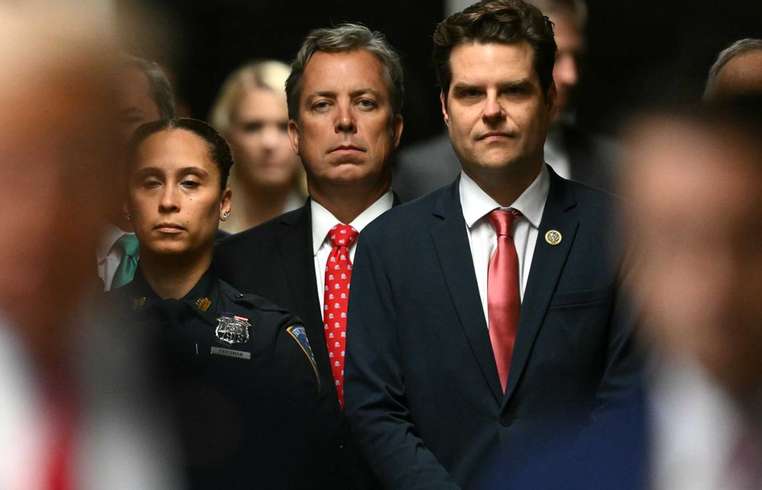
In a surprising turn of events, two-term Rep. Andy Ogles, a staunch ally of former President Donald Trump, lost the Republican primary in Tennessee's 5th Congressional District to political newcomer Charlie Hatcher. Hatcher, who previously served as Tennessee's commissioner of agriculture, capitalized on a campaign painted as pro-rural and aligned with Trump, despite Ogles' endorsement from the former president himself. A significant factor in Ogles' loss was the $2 million campaign by the Invest in Tomorrow Coalition PAC, whose efforts aimed to penalize his opposition to green energy subsidies. This financial influx is viewed by many as an example of left-wing entities influencing a traditionally conservative primary, raising concerns among Republicans nationwide about future elections. Ogles highlighted the influence of a Californian Green Energy PAC and warned fellow conservatives. "If the left can spend millions in Tennessee, they'll do it in every red state," he warned publicly. Despite the defeat, Ogles pledged support for Hatcher, describing him as a 'good man'. Hatcher's victory was bolstered by the endorsement of former governor Bill Haslam and showcased him as a voice for Tennessee's rural electorate. This dramatic shift in the political landscape is accentuated by previously redistricted zones which reshuffled Ogles' support base, contributing to his downfall. ITC Chairman Tom Matzzie declared, "Tennessee's 5th District just showed that playing politics with America's energy future has consequences"—a sentiment echoed by the PAC's prior success in Texas against Chip Roy. With rising tensions around external influences in elections, the Freedom Caucus Fund criticized the moves of the PAC backed by Silicon Valley billionaire Chris Larsen, a major Democratic contributor. Larsen's financial contributions have shaped discussions about the potential for influencing the conservative congressional landscape. The primary result is a warning sign for Republicans as November approaches—an election season that promises to test GOP stability amidst growing influence from opposition spending. Matzzie and the PAC promise continued efforts across the nation, targeting further America First candidates, threatening Trump’s majority in Congress, and prioritizing energy reform as key electoral battlegrounds. The White House and political leaders remain fixated on these evolving dynamics, underscoring the significant consequences of electoral strategizing and regional endorsements.
About usyoo

Categories
Tags